Como funciona
Wallet Guide
Compare os nossos modelos de carteira para encontrar o que melhor lhe serve, explore todos os estilos disponíveis e personalize a sua carteira com uma gravação ou um add-on.

The Original Cardprotector
O que é uma carteira Secrid?
perguntas frequentes
Aqui estão algumas dicas para o ajudar a escolher a carteira que melhor se adapta às suas necessidades:
Explore as categorias de carteiras na nossa página inicial. Poderá aí comparar facilmente as especificações. Ou filtrar as suas opções com base na capacidade do cartão, cor preferida ou material desejado.
Em cada página de artigo, encontrará informações sobre o tamanho, peso, capacidade do cartão, tipo de pele e impacto ambiental da carteira, incluindo o uso de água e emissões de CO2.
Consulte a nossa lista geral de tipos de peles para conhecer as suas qualidades únicas e escolher a que melhor se adapta ao seu estilo.
Se quiser experimentar o toque e a qualidade das nossas carteiras antes de escolher, visite uma loja local. Isto facilitará a escolha da carteira certa para si. Encontre uma loja perto de si aqui.
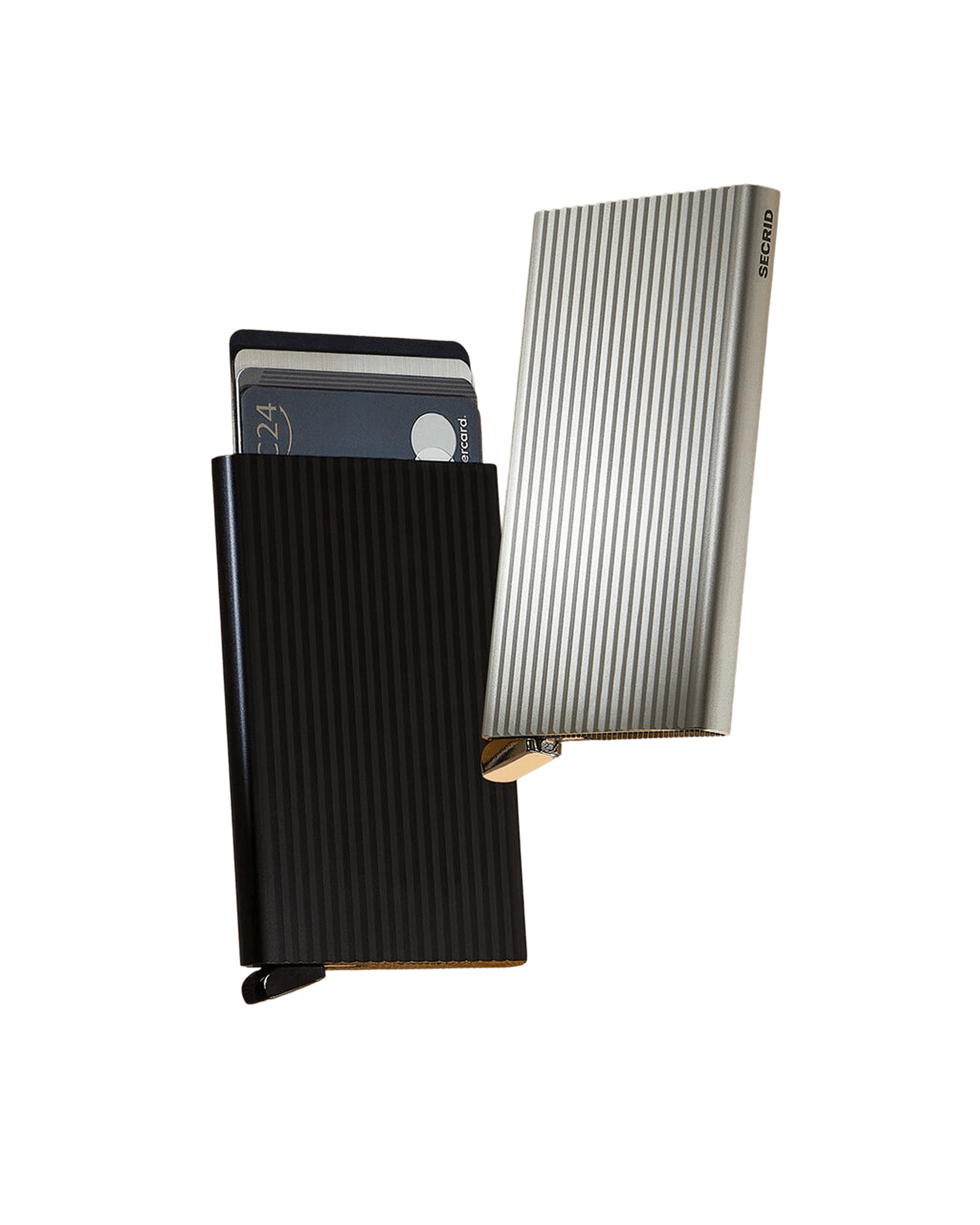
Escolher a carteira certa desde o início garante que ficará satisfeito com a sua escolha e ajuda-nos a reduzir devoluções desnecessárias e emissões de CO2 decorrentes do envio.O Cardprotector em alumínio tem capacidade para 4 a 6 cartões, consoante a sua espessura. Quanto mais cartões com detalhes em relevo houver, menos cartões cabem no Cardprotector. O seu mecanismo também funciona com apenas um cartão, pelo que não é necessário encher completamente o Cardprotector.
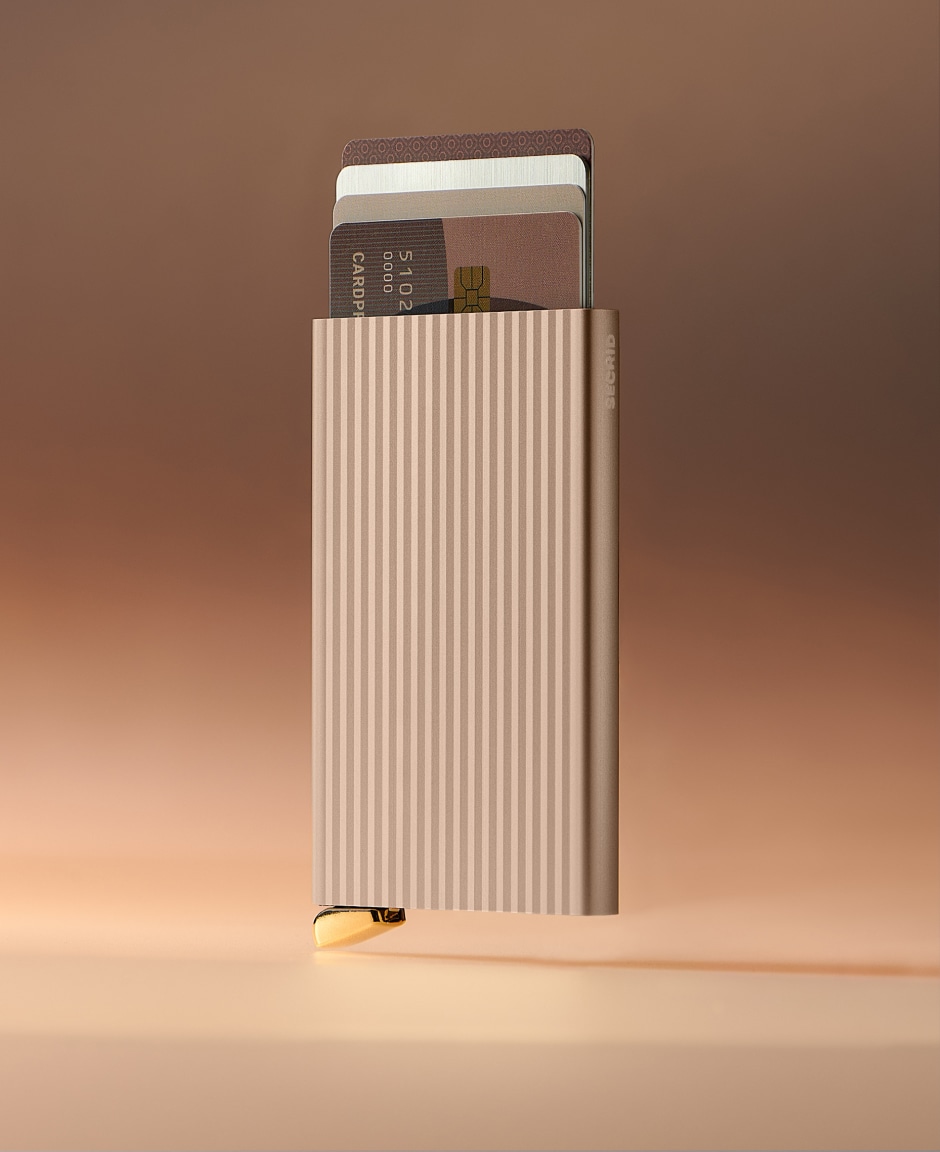
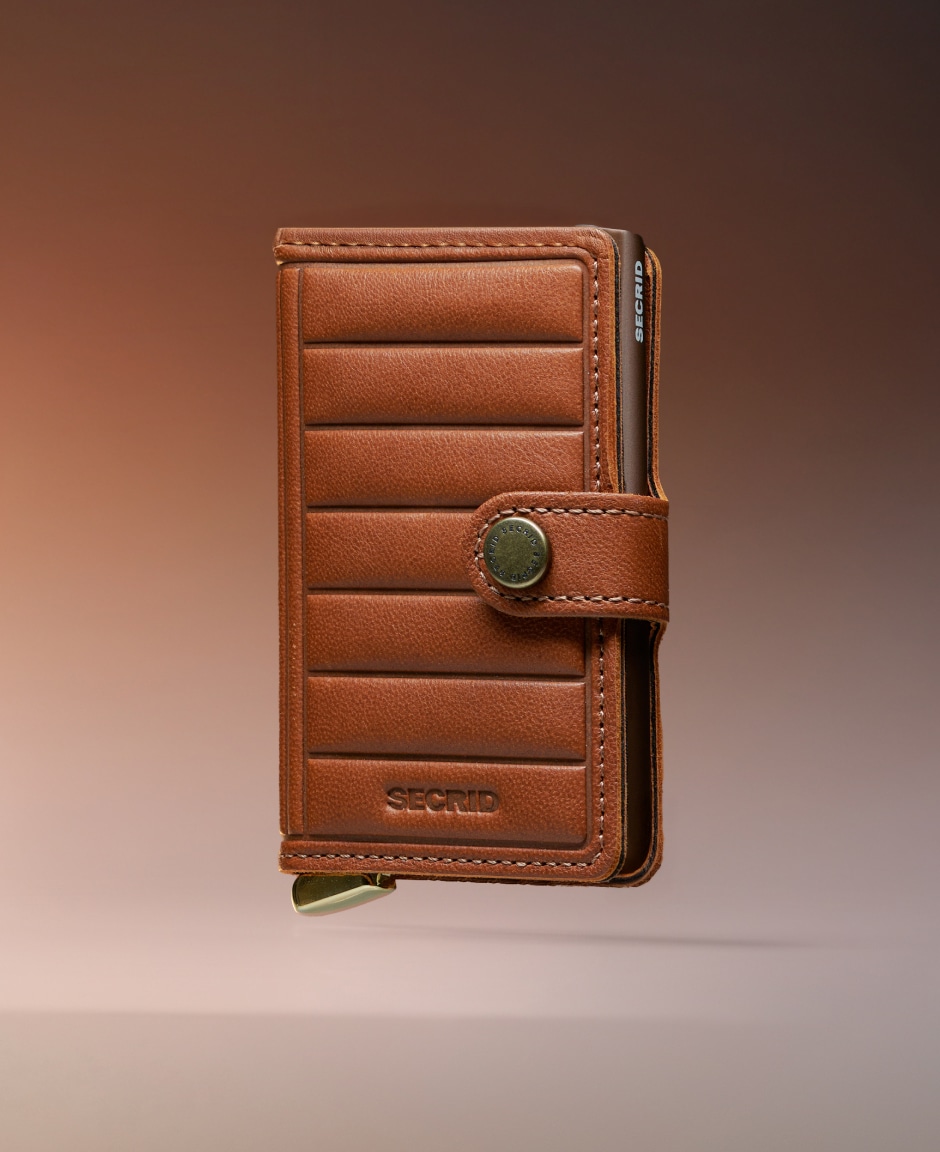
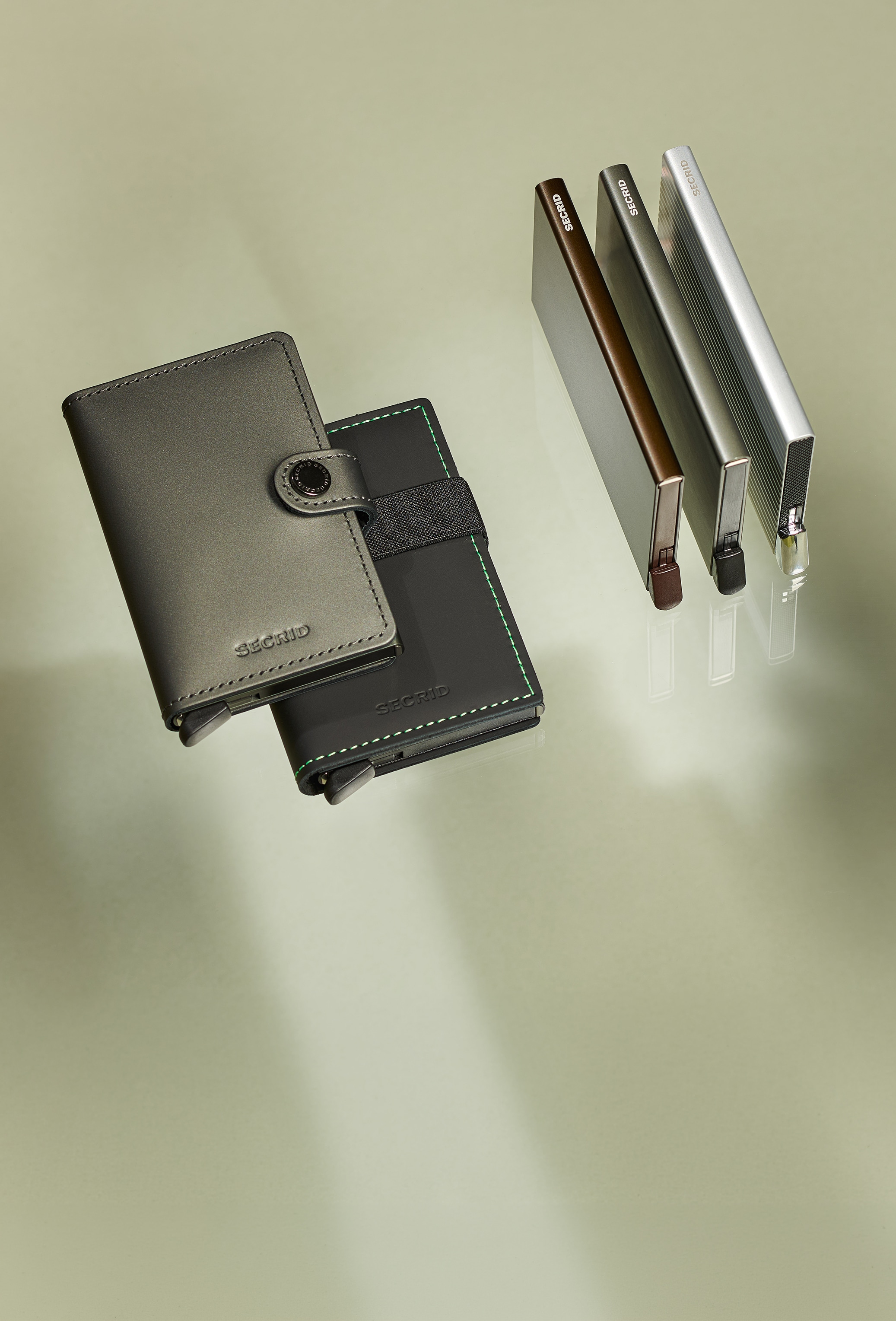
O Cardprotector é a carteira mais minimalista da nossa coleção. Pode adicionar uma Moneyband ou um Slide adicional ao Cardprotector para aumentar a sua capacidade de armazenamento — ideal para cartões extra ou cartões de visita. O Cardprotector é uma parte integral de todas as nossas carteiras de pele. É possível guardar entre quatro a seis cartões no Cardprotector e, na parte exterior em pele, há espaço para dinheiro, talões, cartões de visita e cartões utilizados com menos frequência. Nas carteiras Miniwallet e Twinwallet, em pele, cabem pelo menos quatro cartões extra. A Slimwallet tem um corte mais largo, com espaço para, pelo menos, seis cartões extra. Desde o Cardprotector até à Twinwallet, temos uma vasta gama de soluções compactas para quase todos os gostos.
O Cardprotector é concebido para cartões de plástico com o tamanho padrão de um cartão de crédito. Não é adequado para cartões de papel, como cartões de visita, pois podem bloquear o mecanismo. No entanto, a Moneyband, a Cardslide, a Miniwallet, a Slimwallet e a Twinwallet têm espaço para cartões de papel, dinheiro e talões.
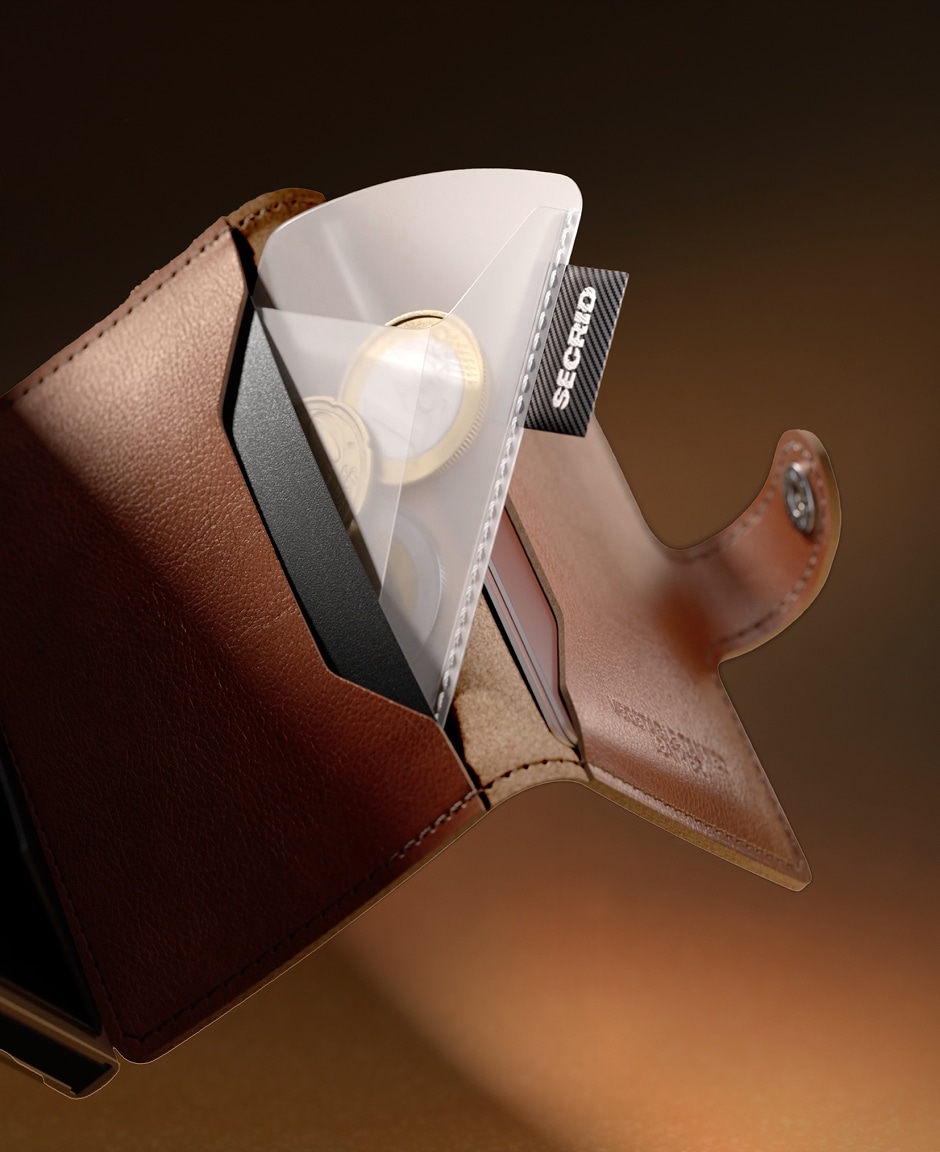
Apesar do seu tamanho compacto, é possível guardar uma quantidade surpreendentemente grande de notas nas nossas carteiras. Muitas vezes perguntam-nos como devem ser colocadas as notas no Moneyflap das nossas carteiras de pele. Não há uma resposta única. À medida que a carteira é utilizada, esta torna-se pessoal, e o mesmo se aplica à forma como as notas são guardadas.
Recomendamos dois métodos. O primeiro consiste em fazer deslizar as notas na horizontal, de modo a não ser necessário as dobrar. O segundo método consiste em abrir o Moneyflap e colocar as notas na vertical. Ao fechar o Moneyflap, o dinheiro fica firmemente preso na carteira e ocupa muito pouco espaço.

O Cardprotector de alumínio previne que os cartões sejam dobrados ou partidos, e protege contra comunicações RFID e NFC indesejadas.
É também conhecido como carteirismo digital. Os seus cartões são lidos, ativados ou copiados à distância. Os criminosos podem cometer este tipo de roubo de identidade com a utilização de leitores RFID, sem nunca tocar na carteira da vítima. As frequências da etiqueta RFID / NFC não conseguem penetrar no alumínio, pelo que o Cardprotector funciona como uma firewall contra a leitura e a cópia não autorizada de dados.
A identificação por radiofrequência (RFID) e a comunicação de campo próximo (NFC) são métodos de comunicação sem fios. Um chip e uma antena permitem a ativação e a leitura à distância. É conveniente, pois não é necessário retirar o passe ou o cartão da carteira para pagar. Embora facilite e agilize o pagamento, envolve um risco, pois os criminosos podem ativar remotamente cartões desprotegidos e roubar o seu dinheiro ou dados pessoais sem que ninguém dê por isso. O Cardprotector, o coração das nossas carteiras, protege contra estes riscos, uma vez que as ondas de rádio não conseguem penetrar o invólucro de alumínio. Foi testado pela TNO/TÜV, uma organização europeia independente que valida a segurança dos produtos.
A tecnologia RFID é utilizada há décadas e é um precursor da tecnologia NFC. Ao contrário de um cartão NFC, um cartão RFID não tem memória; funciona como um código de barras sem fios que apenas transmite o seu próprio número de série. A tecnologia NFC é mais inteligente e pode armazenar pequenas quantidades de dados. Um exemplo é o passe de transporte público, que armazena a data e o local da sua utilização, permitindo ao condutor aceder a estes dados sem necessidade de ligação à Internet.
Existem dois tipos de RFID e de NFC: ativo e passivo. A principal diferença entre estes dois tipos é a forma como obtêm energia. Os tipos ativos de RFID e NFC usam energia e podem comunicar sem fios de forma autónoma. Os tipos passivos não têm uma fonte de alimentação e só comunicam quando ativados por um leitor externo. Esta é a razão pela qual os cartões modernos não têm bateria. Muitas vezes, não é possível reconhecer, apenas pela aparência, que tipo de comunicação está a ser utilizado. No entanto, a distinção pode ser feita através da aplicação. A seguir, podem ser encontrados alguns exemplos:
Passivo (sem fonte de alimentação) Ativo (fonte de alimentação própria) RFID (número de série) Cartões de acesso Chips de rastreio NFC (dados) Cartões bancários, passe de transporte Smartphones Muitos passes de transporte, cartões de acesso em empresas e os mais recentes cartões de crédito e débito têm uma etiqueta RFID ou NFC. Estes cartões podem ser reconhecidos por um dos seguintes logotipos:

Os leitores RFID podem digitalizar um cartão a uma distância de até um metro. Quando os cartões RFID/NFC estão completamente dentro do Cardprotector, a comunicação sem fios é bloqueada e os cartões ficam totalmente protegidos. Durante a utilização, ao fazer deslizar os cartões para fora alguns centímetros, o sinal sem fios é fraco, mas suficiente para a comunicação a curta distância. Desta forma, a sua privacidade fica assegurada da melhor forma possível.
As carteiras Secrid oferecem o mesmo nível de proteção que as carteiras tradicionais. Atualmente, não existem normas para a medição da proteção contra campos magnéticos, pelo que o grau de proteção não pode ser expresso como um número ou uma percentagem. A melhor forma de proteção contra ímanes continua a ser a distância.
Os ímanes podem danificar os cartões com banda magnética. A força e o tempo de exposição do íman influenciam o nível de danos que podem ser causados. A exposição prolongada ao fecho magnético de uma mala, por fraco que seja, é mais suscetível de danificar o cartão do que uma breve exposição a um íman forte.
O tipo de cartão de banda magnética também influencia o grau de danos que um íman pode causar. Existem cartões HiCo (Alta Coercividade) e LoCo (Baixa Coercividade), que se distinguem pelas propriedades da respetiva banda magnética. Os cartões LoCo podem ser escritos com um campo magnético mais fraco e, por conseguinte, campos magnéticos mais fortes podem alterar e/ou apagar os respetivos dados. Trata-se de um processo semelhante ao de gravar por cima de cassetes antigas. Exemplos de aplicações modernas de cartões LoCo incluem os cartões de estacionamento, de hotel ou de oferta. Os cartões HiCo, como os cartões de pagamento mais antigos, são mais resistentes a forças externas, mas continuam sensíveis aos ímanes.
Na prática, a banda magnética nos cartões já quase não é utilizada. Passámos de um sistema de leitura por inserção do cartão para um sistema de pagamento sem contacto. Ao longo dos anos, os cartões evoluíram com a adição de um chip e uma antena, tornando a sua utilização mais inteligente e prática. Como os novos padrões globais não são decididos de um dia para o outro, a maioria dos cartões de pagamento modernos contém tanto uma banda magnética como um chip. Como os ímanes comuns apenas afetam a banda magnética, os cartões modernos não são significativamente danificados pela proximidade de um campo magnético.
Podem ser danificados por ímanes Podem ser ativados por hackers As carteiras Secrid proporcionam proteção extra Banda magnética Sim Não — Chip Não Não — Antena RFID / NFC Não Sim Sim
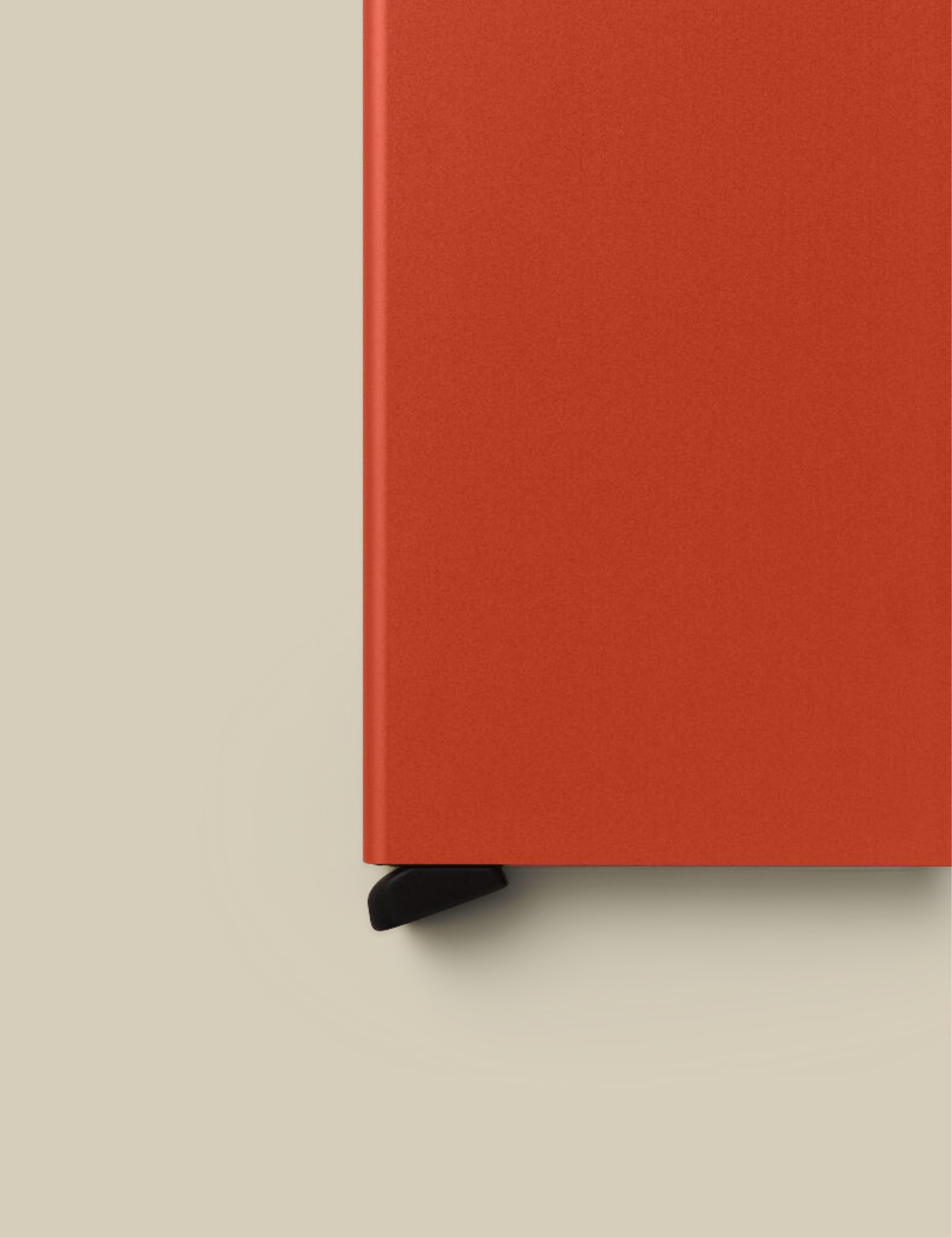
Pode limpar o Cardprotector com um pano macio e sabão, enxaguando com água morna. Certifique-se de que o mecanismo está seco antes de voltar a utilizar a sua carteira.
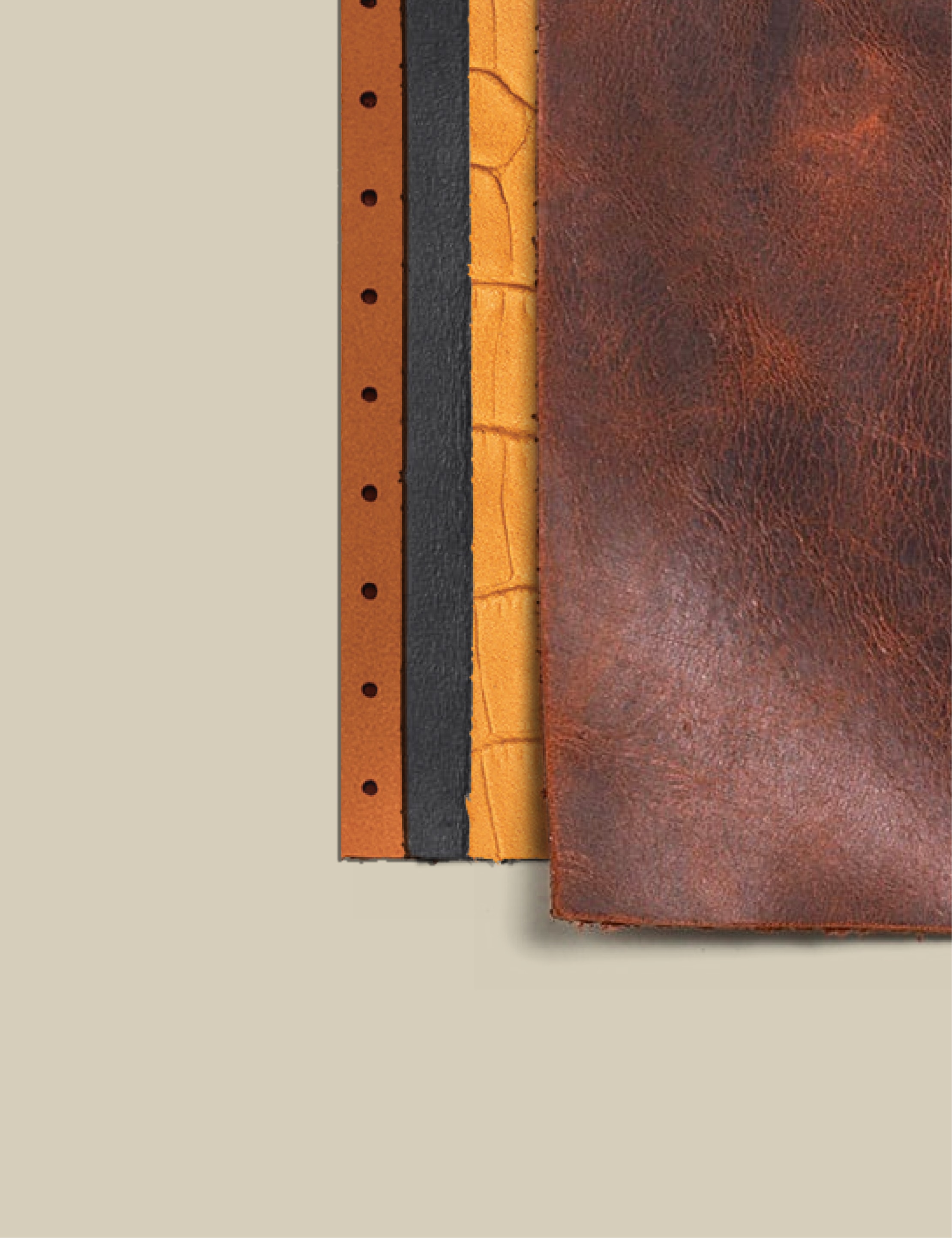
Se o estojo da sua carteira ficar sujo, a forma recomendada de o limpar depende do tipo de material de que a carteira é feita.
Estojo impermeável
Limpe o estojo com um pano húmido. É pouco provável que o material absorva água ou outros fluidos. Não utilizar qualquer tipo de graxa.
Absorvente
Recomendamos que não lave a carteira. O uso de água pode mudar a cor. Se a sua carteira ficar molhada, use um pano macio para a secar cuidadosamente.
Sim. Se o mecanismo da sua carteira Secrid não funcionar corretamente ou se há algo mais do que o mecanismo que precisa de ser reparado, contacte-nos.
Qualquer produto Secrid vem com uma garantia padrão de dois anos. Oferecemos um terceiro ano de garantia se registar a sua carteira. As nossas carteiras Premium têm uma garantia normal de quatro anos, que pode ser alargada até cinco anos após o registo do produto. Se tiver mais perguntas sobre a nossa garantia, por favor envie um e-mail para .
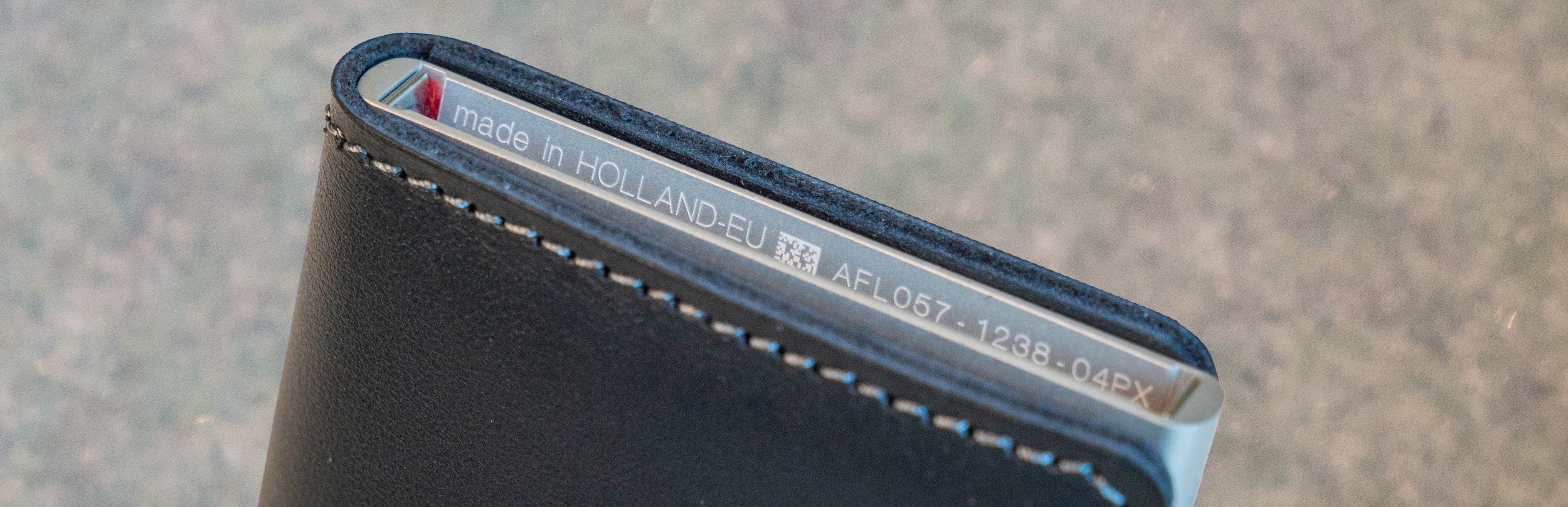
Cada carteira Secrid tem um número de série único desde 2015, gravado no Cardprotector. Quando os cartões são retirados, pode encontrar o número de série no canto superior direito (oposto à alavanca) no interior da sua carteira. Visite a nossa página de registo de produtos e introduza este código único para registar o seu produto e obter um ano adicional de garantia e um certificado de autenticidade.
Queremos manter as distâncias dentro da nossa cadeia de abastecimento o mais curtas possível. Na nossa política de produção local, declaramos que preferimos fornecedores mais próximos dos nossos locais de montagem, desde que possam garantir a qualidade e a perícia necessárias para fabricar produtos duradouros. Por conseguinte, algumas peças são produzidas nos Países Baixos e outras em Itália. Em colaboração com os nossos 50 fornecedores, asseguramos produtos de elevada qualidade, boas condições de trabalho e respeito pelo ambiente. Os nossos produtos são produzidos diariamente, com grande precisão e entusiasmo, em empresas sociais em Delft, Leiden e Haarlem. Pode ler mais sobre o nosso processo de produção aqui aqui.
Sabemos que fazer negócios tem um impacto, tanto positivo como negativo, nas pessoas, nos animais e no nosso planeta. Embora a sustentabilidade faça parte da Secrid desde o primeiro Cardprotector, em 2009, não ambicionamos o título de empresa sustentável. A sustentabilidade está presente na nossa abordagem holística ao design, sendo cada escolha cuidadosamente ponderada. A decisão de produzir localmente e outras medidas podem ter aumentado o preço dos nossos produtos, mas também resultaram na criação de produtos dos quais nos podemos orgulhar. Consideramos que o design com longevidade em mente é a chave para criar produtos que se tornem potencialmente mais valiosos ao longo do tempo e que, simultaneamente, reduzam o seu impacto sobre o meio ambiente. Por isso, concentramo-nos em criar produtos essenciais, de alta qualidade, produzidos de forma consciente e portáteis, que resistam à prova do tempo. Para mais informações, consulte a nossa página de sustentabilidade.