Muju Earth Technologies
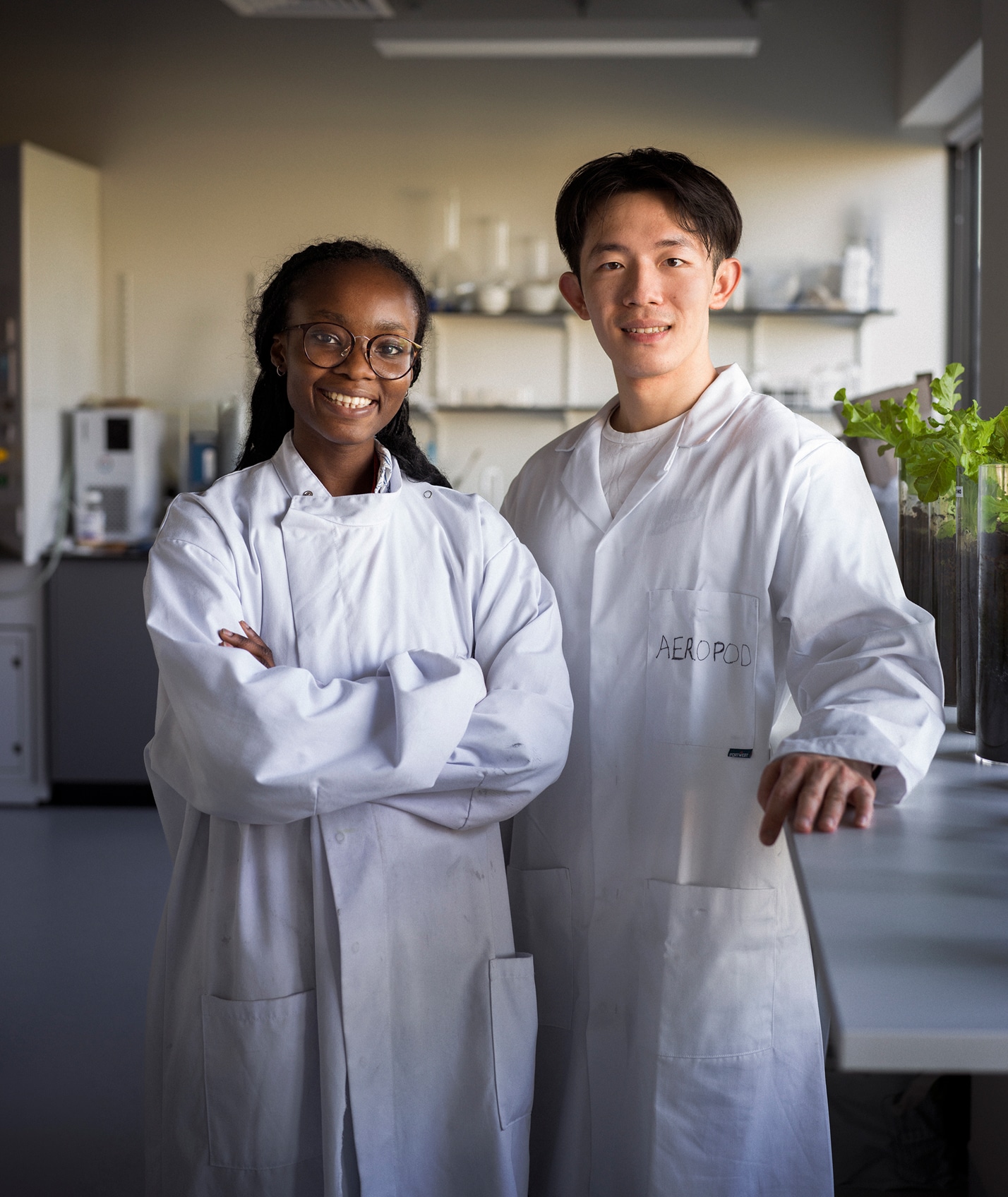
Ifeoluwa Afolayan and Wangyang Hu
Ifeoluwa (Lu) Afolayan and Wangyang (Ocean) Hu are the founders of Muju Earth Technologies, a start-up that aims to support farmers worldwide in the transition to regenerative and climate-resilient agriculture.
Around 40% of the world's agricultural land is already affected by moderate to severe soil degradation, and it is estimated that this figure could rise to 90% by 2050. Much of this is due to intensive methods of tackling soil compaction and weeds, like tilling and ploughing. As soils degrade, farmers face lower yields, greater vulnerability to drought and flooding, declining biodiversity, and pressure to increasingly rely on costly interventions such as chemical fertilisers and mechanical tillage. Degraded soils contain up to 80% less soil life, which reduces water infiltration, fertility and CO₂ storage.
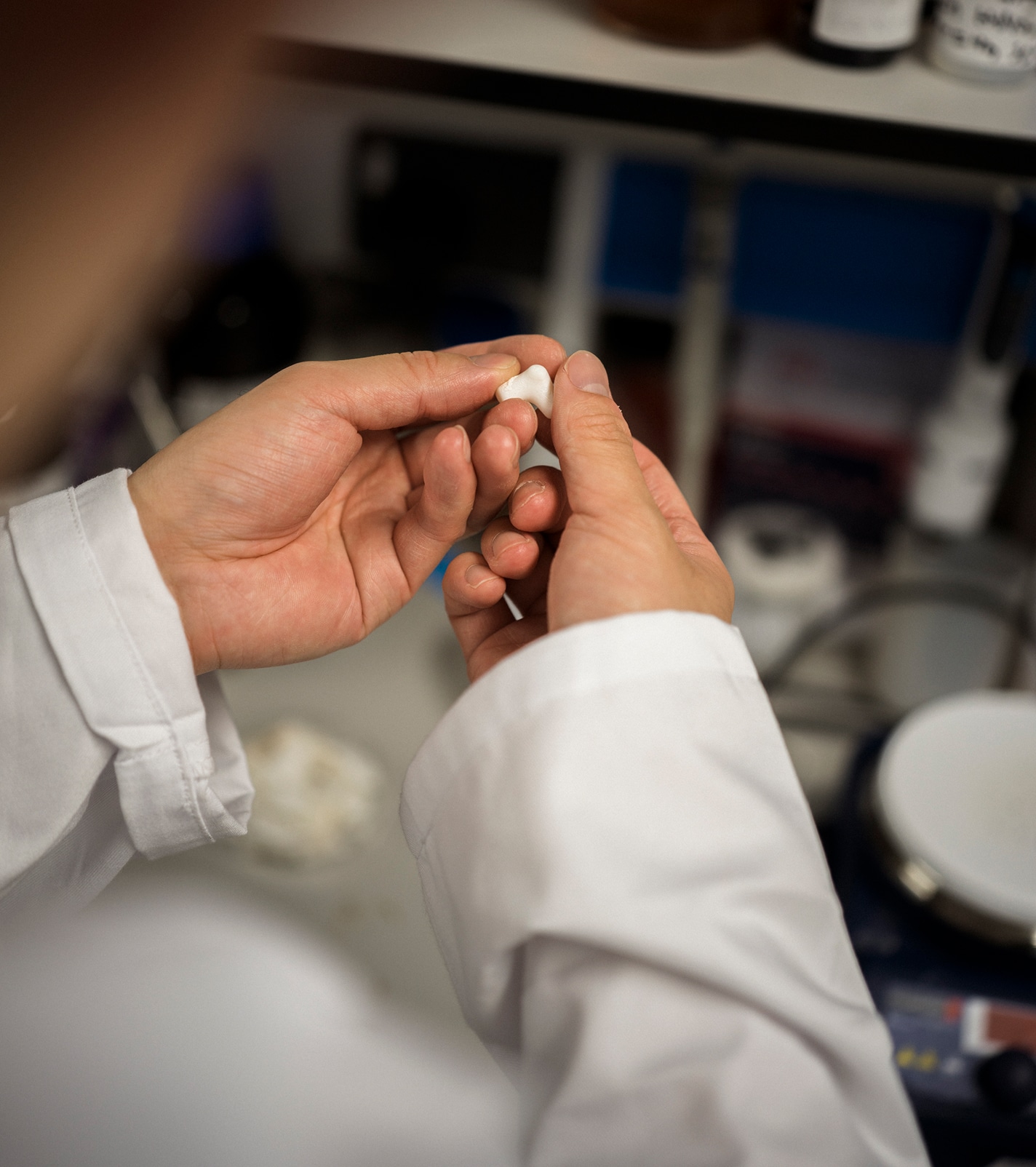
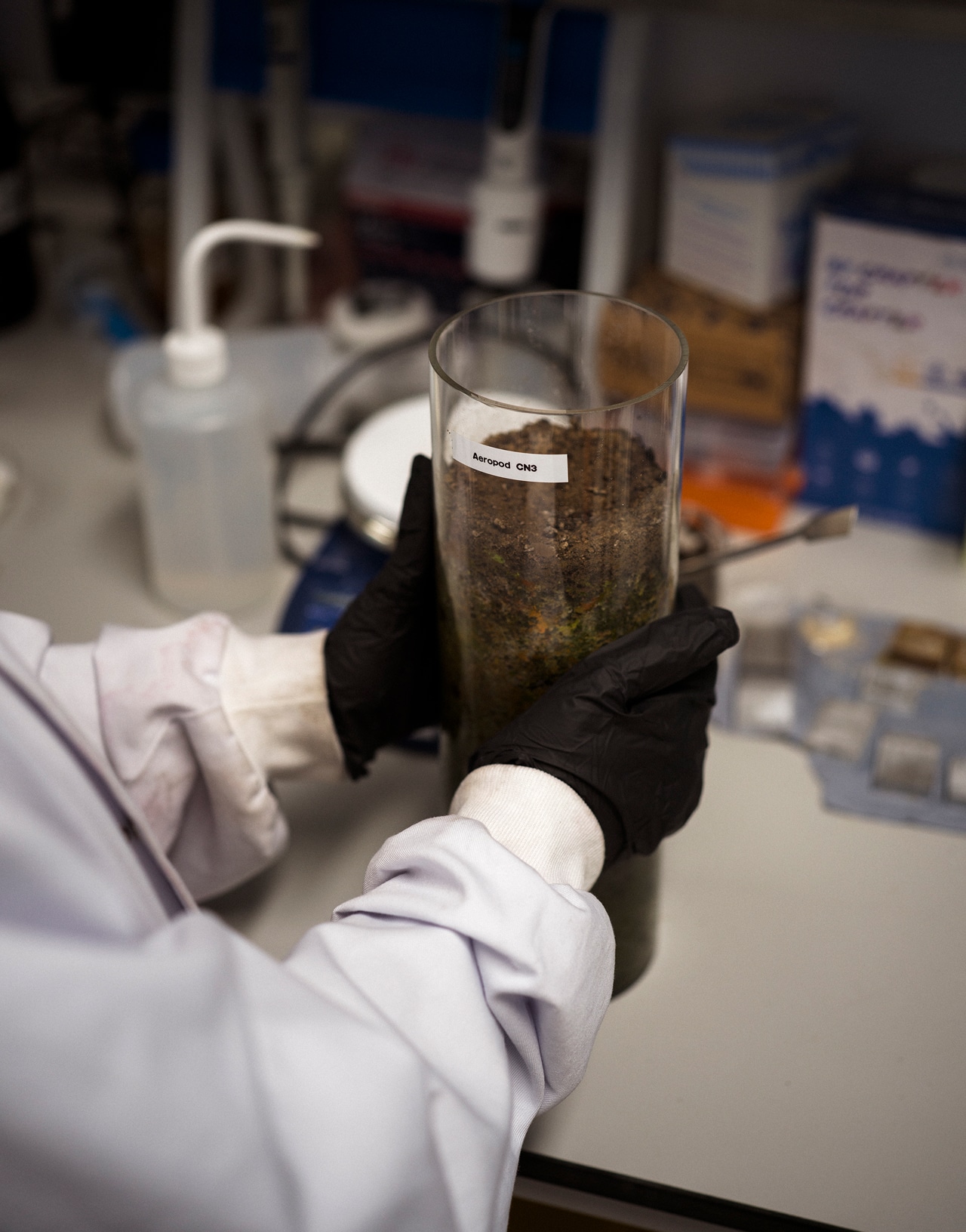
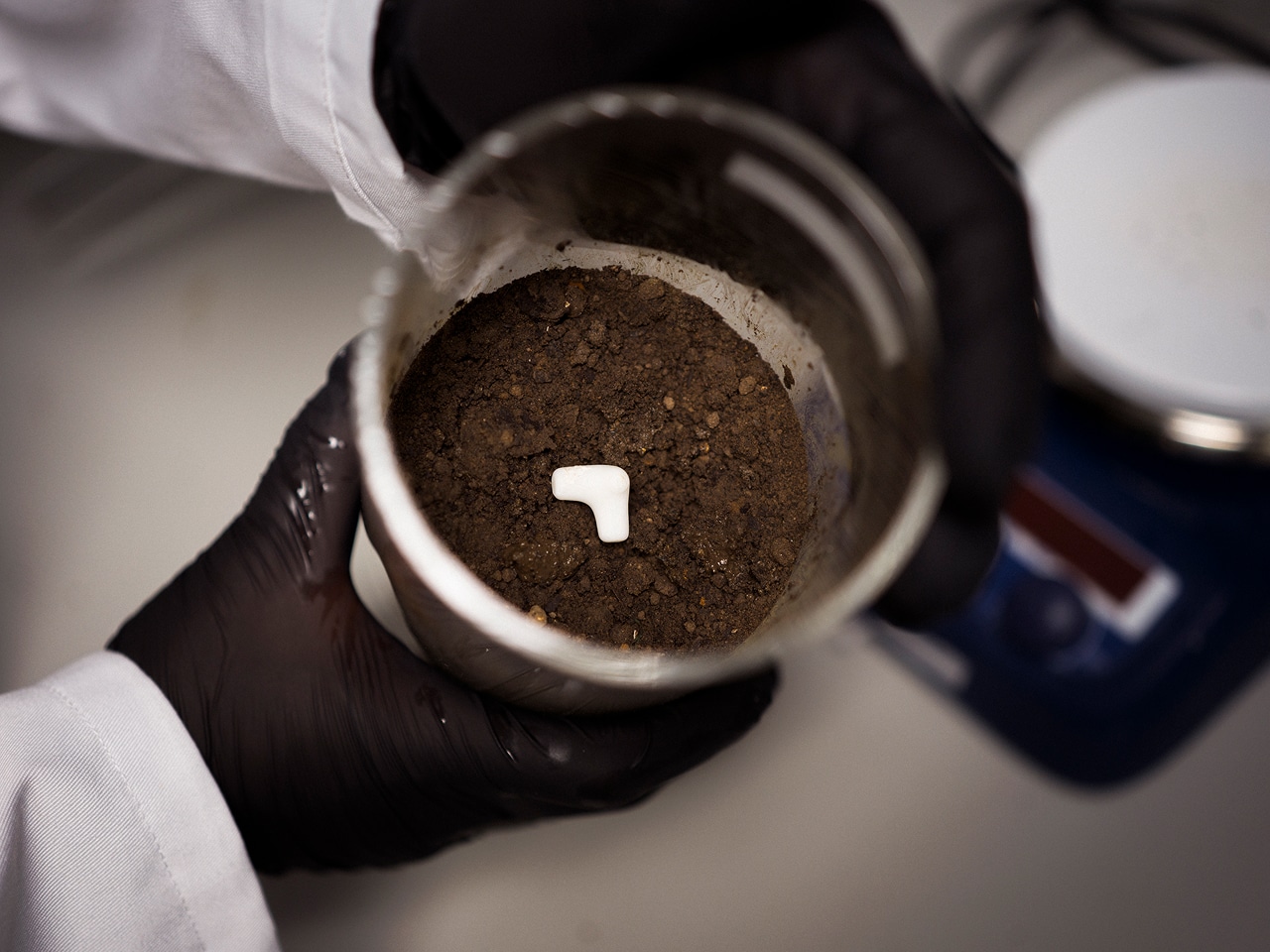
Aeropod is a biodegradable capsule that is sown alongside crops. When exposed to increased pressure and moisture, it opens up in the soil, creating pathways that improve the movement of air and water. By reducing soil compaction in a targeted and affordable way, Aeropod supports healthier soils, stronger roots and soil life.
Lu, you’re the co-founder of Muju Earth Technologies, an innovative sustainable agriculture start-up. Did you grow up in a rural community, perhaps in a farming family?
Far from it! I grew up in Lagos, Nigeria's largest city, so becoming a farmer never even crossed my mind. Lagos is a city of extremes: you grow up seeing enormous wealth and extreme poverty existing side by side. This made me very aware of my own privilege. Seeing those different realities around me helped me to develop a strong sense of empathy.
In Nigeria, the government is often largely absent, so people depend on one another a lot. Community is incredibly important, and people naturally look out for each other because, quite often, they have to. Back then, I never imagined I would become a designer-engineer and would end up working in agriculture.
When did you realise that you wanted to be a designer?
Design actually came into my life in quite an interesting way, because I was never consciously set out to become a designer. I studied engineering because I loved the idea of inventing things. First and foremost, I wanted to become a better problem solver.
In Nigeria, systems are often not built to work, so people become incredibly pragmatic problem solvers: if something's broken, you fix it. You don't necessarily spend lots of time thinking about the wider context.
Was there a particular moment or event that inspired you to contribute to a better world?
During my final year studying Electrical and Information Engineering at Covenant University in 2022, my supervisor asked a simple question: What problem do you want to solve? My mind immediately went back to something that had never really left me. Years earlier, I'd followed the stories coming out of northern Nigeria, where political instability reigned and numerous schoolgirls were abducted. I think I was about thirteen when I first heard about it. They had been my age at the time.
For my thesis, I developed a simple, low-cost GPS tracker that was small enough to fit inside a pencil case. The idea was to make something affordable for people in that part of the country, so that if a child ever went missing, a search could begin immediately.
It wasn't a perfect solution, but it showed me the kind of engineering I wanted to spend my life doing.
Without healthy soil, we simply cannot survive.
So that’s when you decided to become a designer?
That's when I realised I wanted to do something different. After graduating, I worked for an international tech company in Nigeria, but I soon realised I wanted to use my engineering skills in a way that had a more direct impact on people's lives.
I started looking for a programme combining engineering and innovation, and that's how I came across Innovation Design Engineering at Imperial College London and the Royal College of Art.
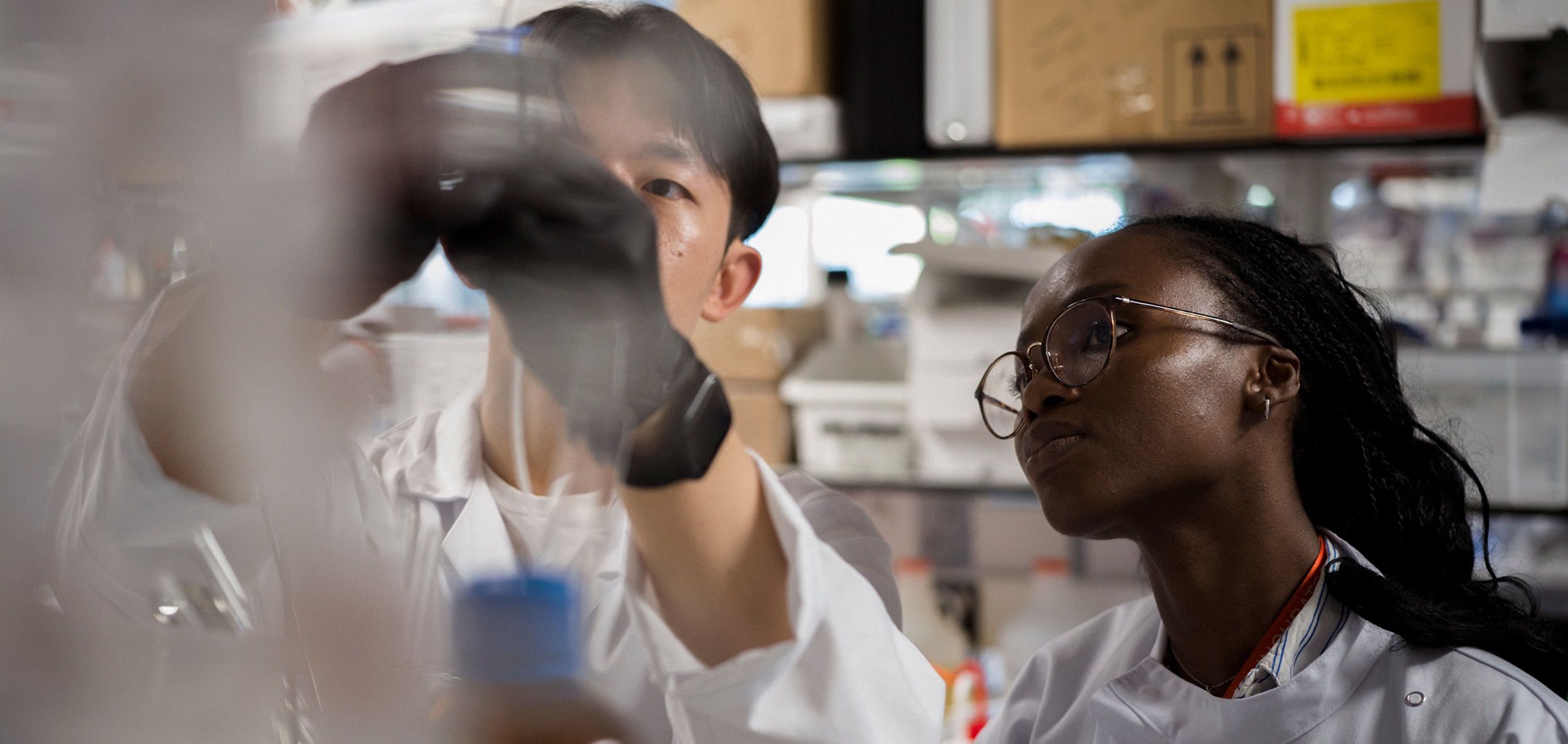
If I'm honest, I didn't really know what design truly meant at the time. What I learned once I got there completely changed how I think about solving problems. Engineering teaches you how to build something. Design, on the other hand, asks whether you're solving the right problem in the first place, whether people actually want it, whether it fits the context, and whether it creates new problems somewhere else. To develop a truly effective solution, you first need to understand the context and its constraints, and use creative thinking to solve it. That way of thinking has stayed with me ever since.
When did you first become interested in agriculture?
While I was on the Innovation Design Engineering programme, I came across mycorrhizal networks, often described as the "internet of trees". They're underground fungal networks that connect plants to one another, allowing them to exchange nutrients, chemical signals and even warnings. I'd spent years working with electrical and computer networks, so I immediately found it fascinating that nature has developed something remarkably similar.
At the time, I was exploring ways of making these underground networks visible. Soil degradation and chemical disruption from fertilisers and pesticides can damage them, yet farmers have no easy way of understanding what's happening beneath their feet. My solution was a simple device that could detect and record fungal activity in the soil using low-level electrical signals. It was a visual feedback system that meant farmers could then take measures to protect and stimulate these fungal networks.
What is it exactly that fascinates you about soil?
Soil is one of the most diverse ecosystems on Earth. More than half of all life exists beneath our feet, with billions of organisms working together. Without healthy soil, we simply cannot survive.
That interest eventually led me to work at a British tech company, where we used acoustic sensing and AI to gain a better understanding of what happens beneath the soil. It was the first time I spent significant time working directly with farmers. We spoke to them throughout the design process to understand what information would actually be useful and how it could fit into the realities of farming.
What made those conversations with farmers so educational?
Farmers are a source of knowledge that you can’t learn from books. They often work on the same farmland for decades. They care deeply about the soil, but within the current systems, they’re often left with very few good options. To provide the soil with oxygen, they have to use heavy machinery to plough, which further compacts the soil. Consequently, water is poorly absorbed and soil fertility decreases.
I remember speaking to a farmer who lost over 50 hectares of wheat because persistent wet weather and heavy soils caused the crop to rot in the ground. This has a significant economic impact. In short, farmers are trapped in a destructive system. They're expected to produce more food with fewer resources, while dealing with challenges that are becoming harder to predict every year.
You identified an economic problem affecting local farmers. What made you decide to dedicate all your time and energy to solving it?
The more I learned more about soil degradation, I realised the scale of the challenge. Some estimates suggest that by 2050, more than 90% of the world's soils could be degraded. The consequences of that for food security, particularly in parts of the Global South, would be enormous. I decided to explore creating a valuable solution. We wanted to understand the problem properly and explore whether there was a better way of approaching it.
Design asks whether you're solving the right problem in the first place.
How did you come up with the idea for Aeropods?
Aeropod emerged from the final group project on the Innovation Design Engineering programme that I did together with three designers, one of whom was Wangyang (Ocean) Hu, who later became my co-founder at Muju Earth. We spent a lot of time speaking with farmers across the British countryside, researchers and other stakeholders to understand the relationship between soil degradation, compaction and aeration.
Farmers already knew they needed to aerate their soils, but the existing methods relied on heavy machinery that could itself contribute to soil degradation. So, we started investigating whether another way of aerating would be possible. Some ideas were technically feasible but far too expensive. Others couldn't fit into the way farmers already worked. Every conversation with farmers brought us closer to a solution.
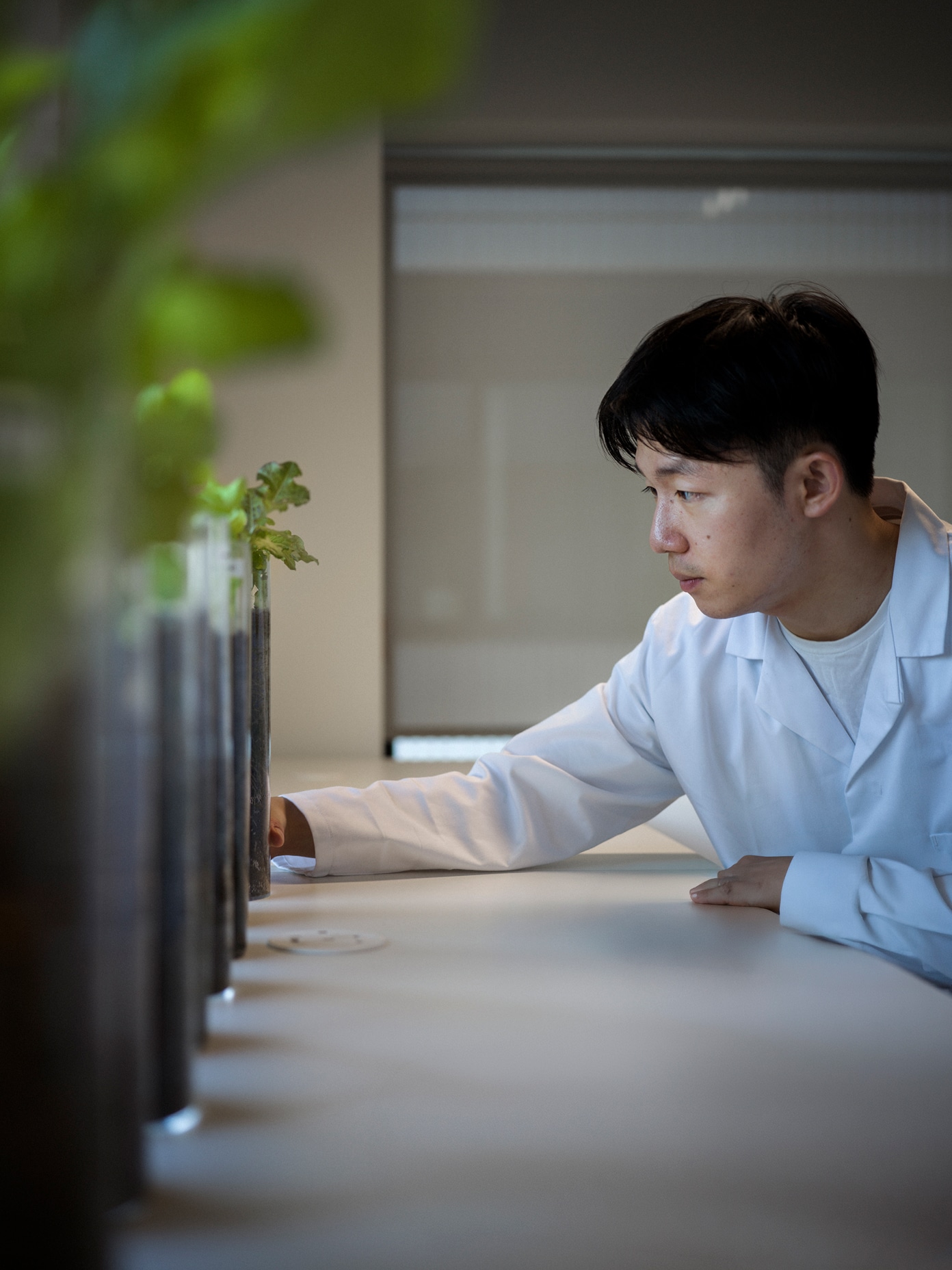
The breakthrough came one day when I found myself asking: What if aerating soil could be as easy as sowing a seed? We started exploring how we could engineer small biodegradable capsules that could aerate soil safely and precisely from within, without requiring heavy machinery.
That must have been a euphoric moment. When did the first reality check arrive?
The first practical problem was how to get the Aeropods into the ground. The capsule also had to turn over the soil without damaging the crops. The solution was a capsule that bursts open like popcorn. They are about the size of a peanut pod, so can simply be sown alongside the crops. The capsules then operate completely autonomously.
There are currently several patent applications pending, so I can’t reveal too much, but each capsule consists of multiple layers. These organic materials react to each other under certain conditions, such as humidity or soil pressure. They only burst open in places where they are necessary and at different times, due to minimal variation in the composition. While we’re not yet claiming that the pods can completely replace intensive mechanical tilling of the soil, the innovation gives us hope: we can explore a different, more gradual and less rigorous way of ploughing the soil, that takes care of the ecosystem above and below the ground.
How is the division of labour between you and Ocean structured?
Officially, I am the CEO and Ocean is the Chief Technical Officer, or CTO. We complement each other well. Ocean already had a first degree in product design engineering from Beijing University of Chemical Technology when we met during the IDE course. He has a more creative and inquisitive mindset, whereas I am more structured. We are both very results-oriented. Outside of work, we are also good friends.
Neither of you has a business background. How did you develop the knowledge to start a company?
We were really pleased with how our Aeropod thesis was received. It achieved one of the highest grades on the course. It encouraged us to see whether it had potential beyond academia.
To stress test the idea in June 2025, we entered Imperial College London's entrepreneurship pre-accelerator and competition for commercialising university innovations. We gained a start-up education through it and were fortunate enough to win first prize, along with £15,000 in funding.
That was a huge moment for us. It was validating to see that people outside our immediate university community also believed there was real potential in what we were building. That was really the moment we decided to take the leap and set up Muju Earth Technologies.
What is the biggest challenge in further developing this innovative prototype into a realistic product?
Finding the right manufacturer. Muju Earth Technologies specialises in innovation and product development, so the production of the Aeropods must be outsourced. However, as it is a new product, there is no company that can start the production immediately. We are currently in talks with manufacturers from industries that already specialise in producing delicate layered products, such as confectionery. They have the right machinery because, essentially, an Aeropod resembles an éclair, a pastry consisting of different layers.
The Aeropod is a delicate product. The timing of when the capsules activate is critical, and because agriculture operates on very tight margins, the product also has to remain affordable. As it needs to be produced on a large scale, even a small difference in cost will make a huge difference.
The world does not need more inventions. It needs better questions.
So production seems to be a matter of time. But how about another obstacle – how to convince farmers of the usefulness of a product they know nothing about?
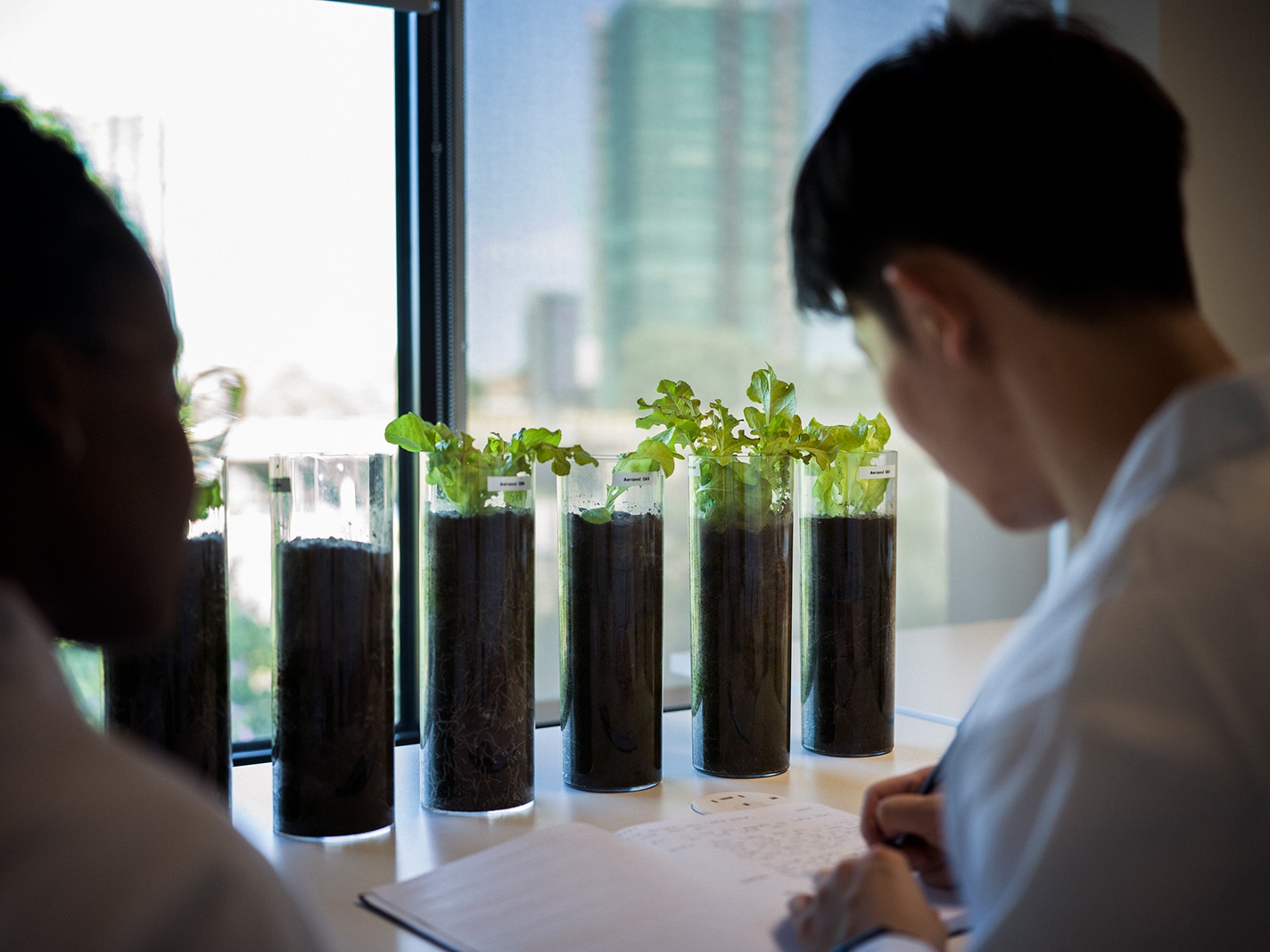
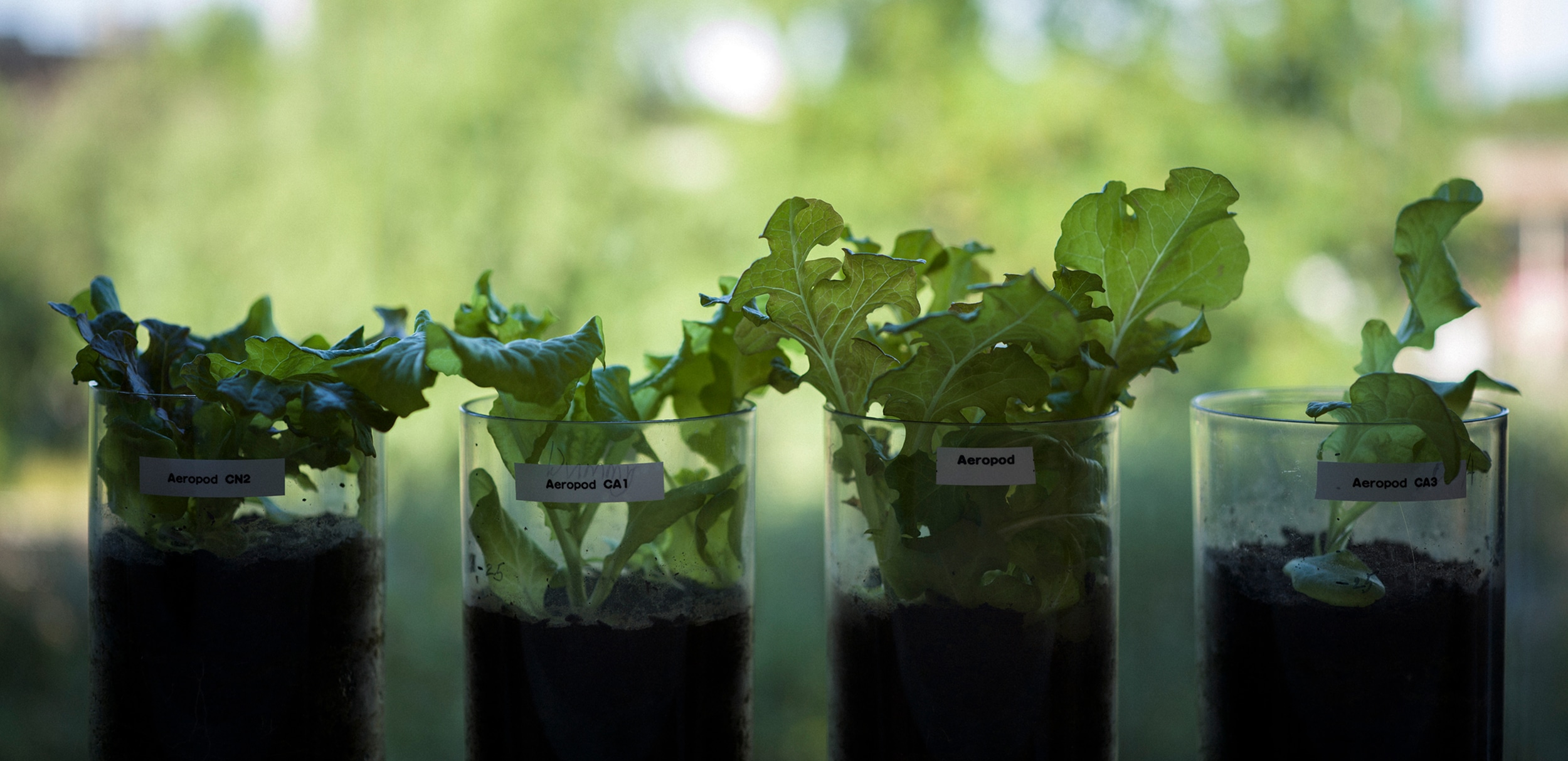
“The Aeropods are now being tested in trials under specific soil conditions with trusted farmer partners and early adopters. With these trials, we can gather statistical data to show the real impact of the pods. And that helps to convey our message, because farmers are practical people who are not impressed by sales pitches. They are a social bunch as well, who will engage if they see their neighbours using it. We have to show them that a different approach to ploughing is not only environmentally essential but also economically wise. Show, don’t tell.”
In the agricultural sector, there are many major players who may not welcome your innovation, such as fertiliser and tillage machine producers. How do you plan to deal with that?
“At Muju Earth, we aim to reduce the use of fertilisers and harmful machinery while improving crop yields and soil health. Our innovations could help farmers to transition from extractive agriculture, which depletes the ecosystem, to regenerative agriculture, which strengthens the soil and biodiversity. The transition is already underway, as farmers all over the world are switching to biofertilisers and better soil-quality monitoring. We simply want to accelerate this change and contribute to the necessary systemic shift.”
So, your interest in agriculture grew mainly professionally?
“Hmmm… not entirely. When I was still in university in Nigeria, I often joked that one day I would retreat to a farm to live a slower, more mindful life. Although I was primarily drawn to the idea of living off what the earth provides, I don't think I could give up the buzz of city life and creative entrepreneurship entirely. However, it is still my hope to do so one day.”
You have also expanded your horizons, evolving from a problem-solving engineer to an analytical designer and then to a creative entrepreneur. How did that process unfold?
“You don’t learn that from books either! I was fortunate to meet so many inspiring people during my studies, including my professors and the people I interned with. I learned a lot from observing and questioning these people. My mother is also my role model. She’s a successful entrepreneur and one of the most resourceful and persistent people I know.”
What does Muju actually mean?
“Muju derives from a Yoruba word meaning “to bring the future forward”, reflecting our mission to create technologies that support healthier soils and sustainable agriculture.”
“When I started doing soil research with my group, we chose the name Muju Earth before Aeropod was developed. Once we were working on Aeropod, it became Muju Earth Technologies. In a sense, that name still functions as a kind of mantra. Through our technology, we promote healthier soil and secure the future of sustainable agriculture. This name also allows for innovation beyond Aeropod.”
What are the most important lessons you have learned in developing Muju Earth Technologies?
“To think in terms of shared interests. Innovation only succeeds through people and relationships. Empathy is indispensable for this. The transition to regenerative agriculture is a challenging concept. But it starts with asking one person: What does that farmer need? What does that investor want to hear? To answer these questions, you have to put yourself in the other person’s shoes. No matter how big the problem is or what impact you want to have, it all starts with trying to understand one another.”
What message would you give to the next generation of designers?
“The world does not need more inventions. It needs better questions. Spend less time trying to be clever, and more time trying to understand.”