sumo
baby
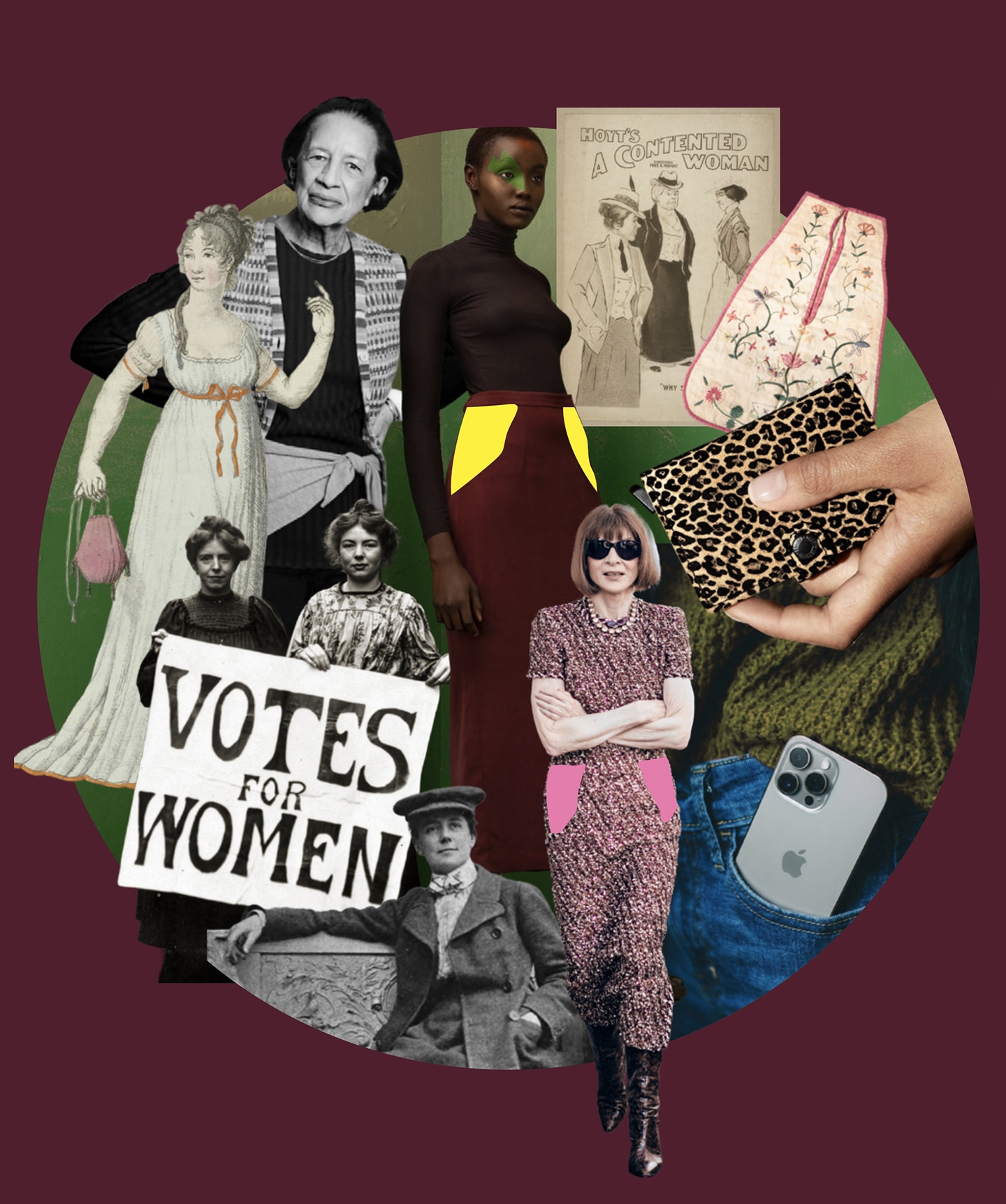
Why the pocket gap still matters on International Women's Day
A pocket seems small, but it changes how you move through the day. Many women still start their morning with a practical check: what can I carry on me right now? Phone, keys, cards, medicine, or that one small item that makes you feel prepared. When clothing can’t hold those basics, the effort moves somewhere else. Into a bag. Into your hands. Into constant planning.
Today’s pocket gap
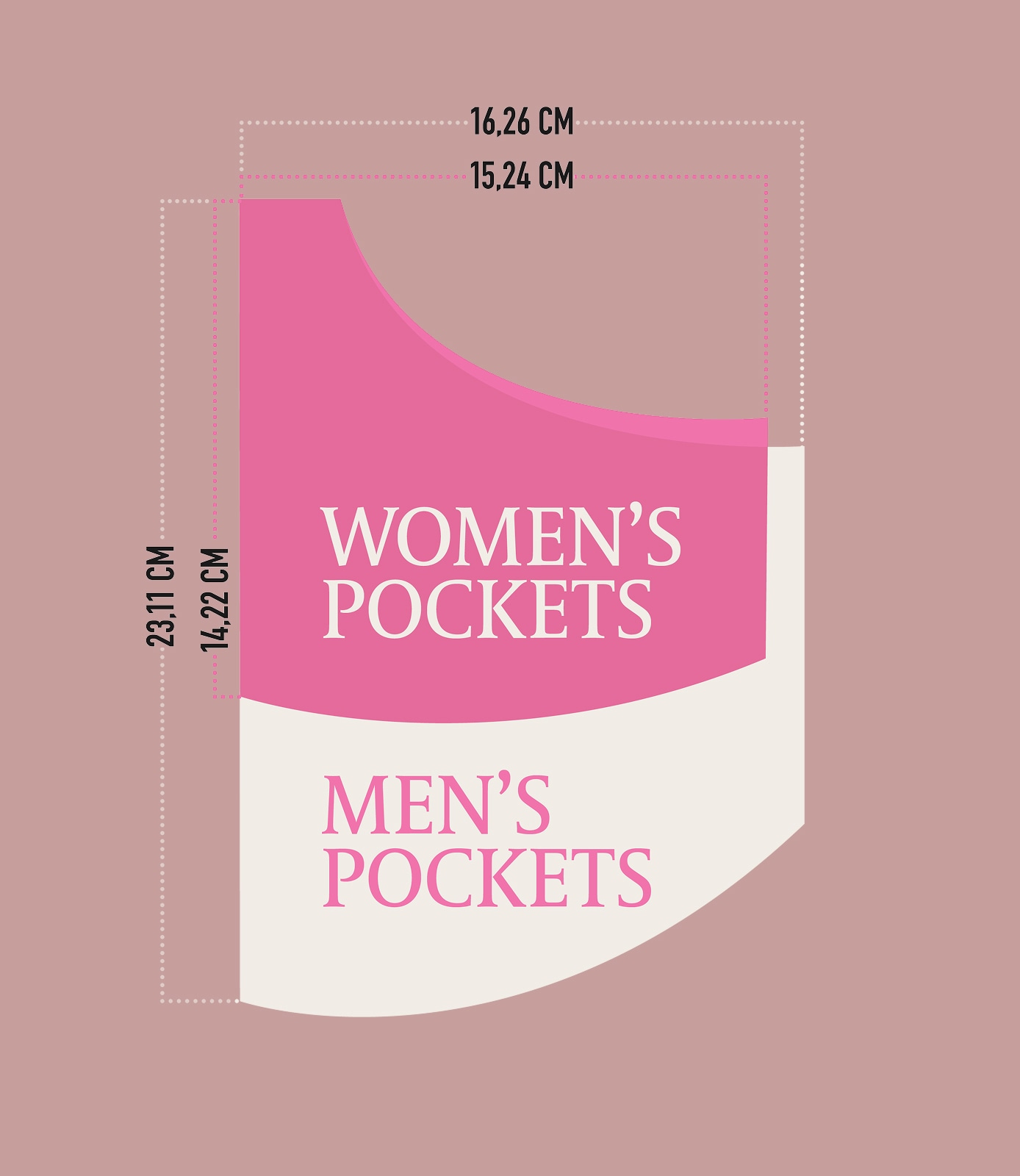
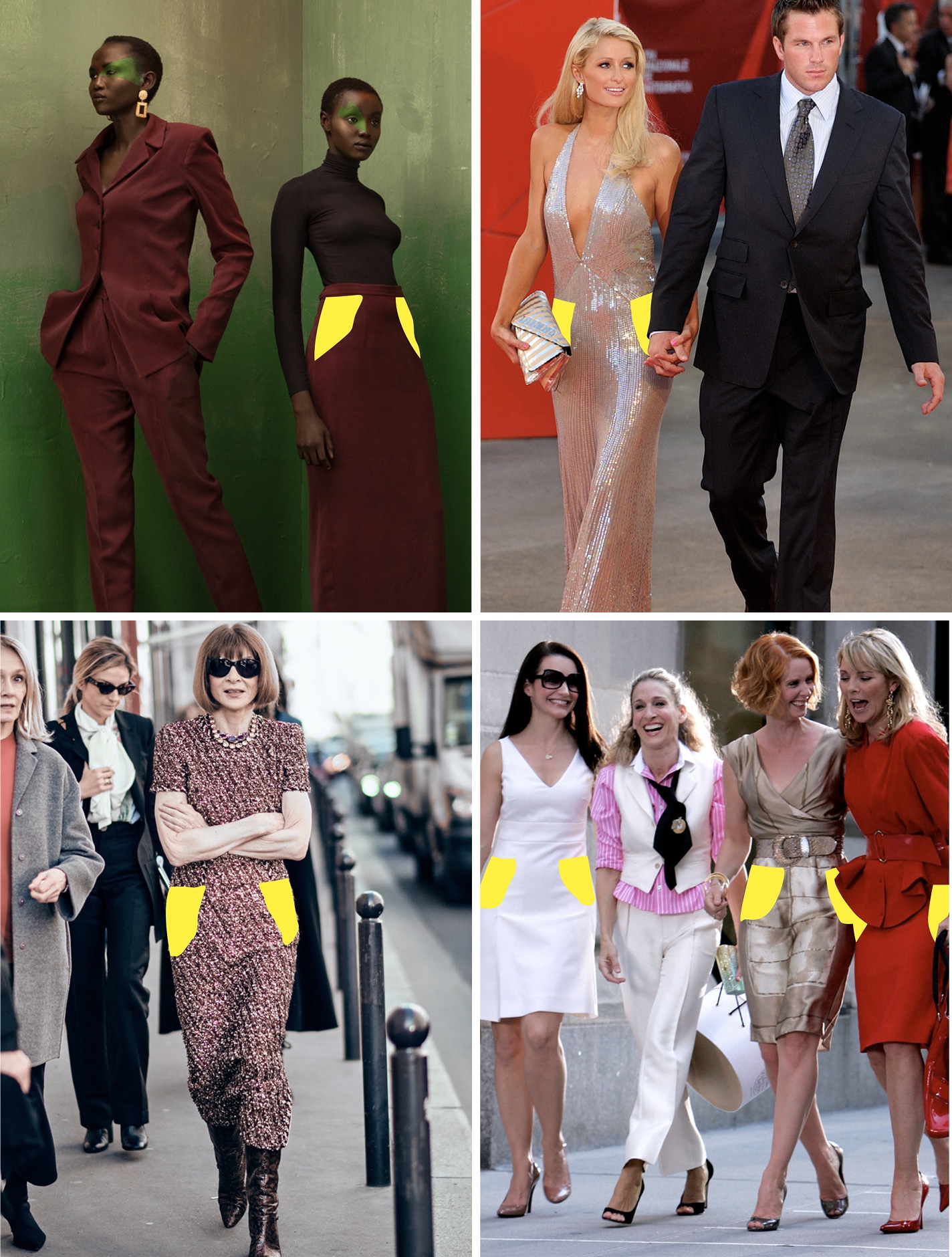
In 2018, The Pudding, an online platform for visual journalism and data stories, compared jeans from major US brands and found a clear pocket gap: women's front pockets were, on average, 48% shorter and 6.5% narrower than men's. In their test, only 40% of women's front pockets could fully fit one of the three leading smartphone models.
Hidden by design
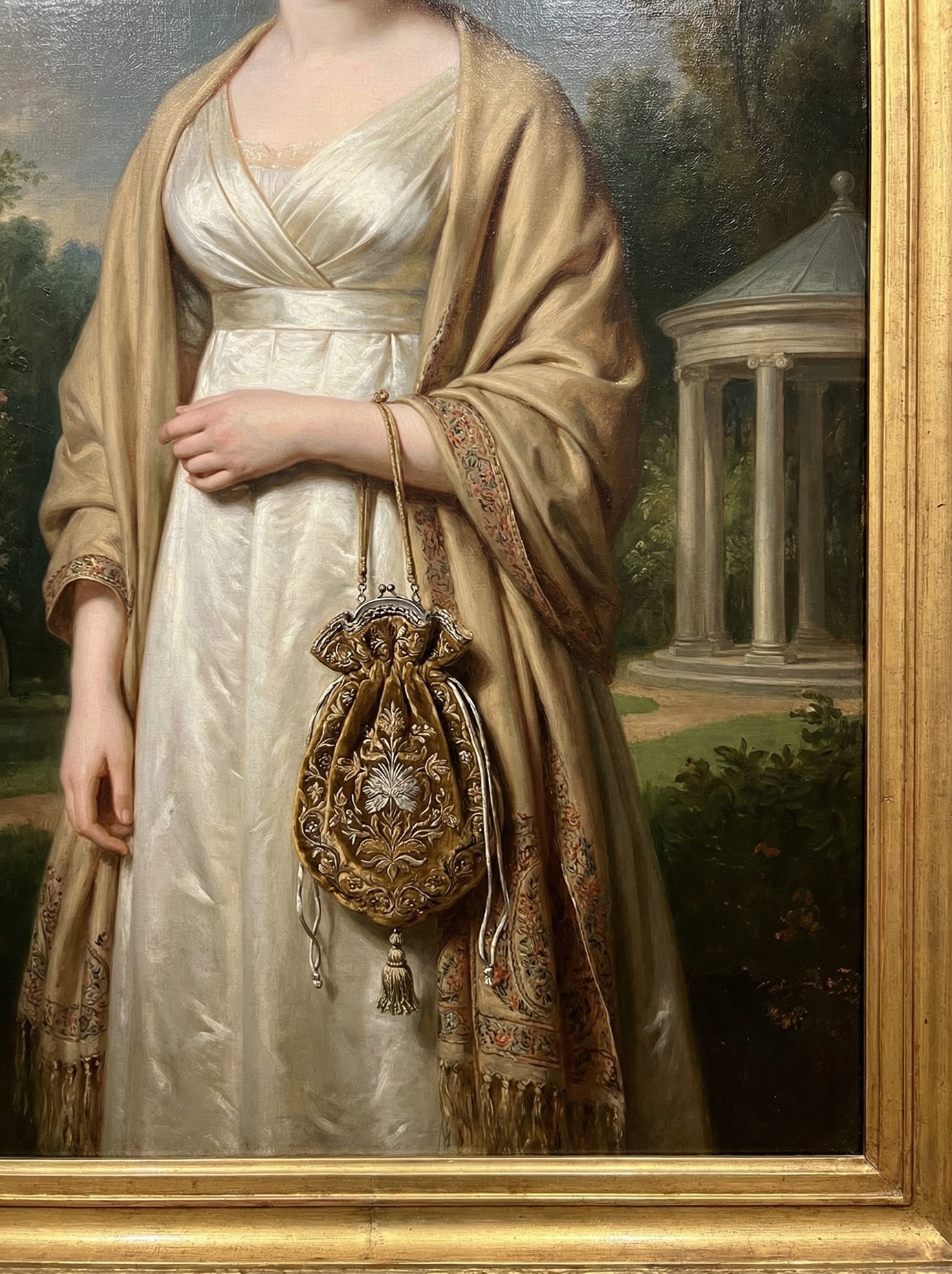
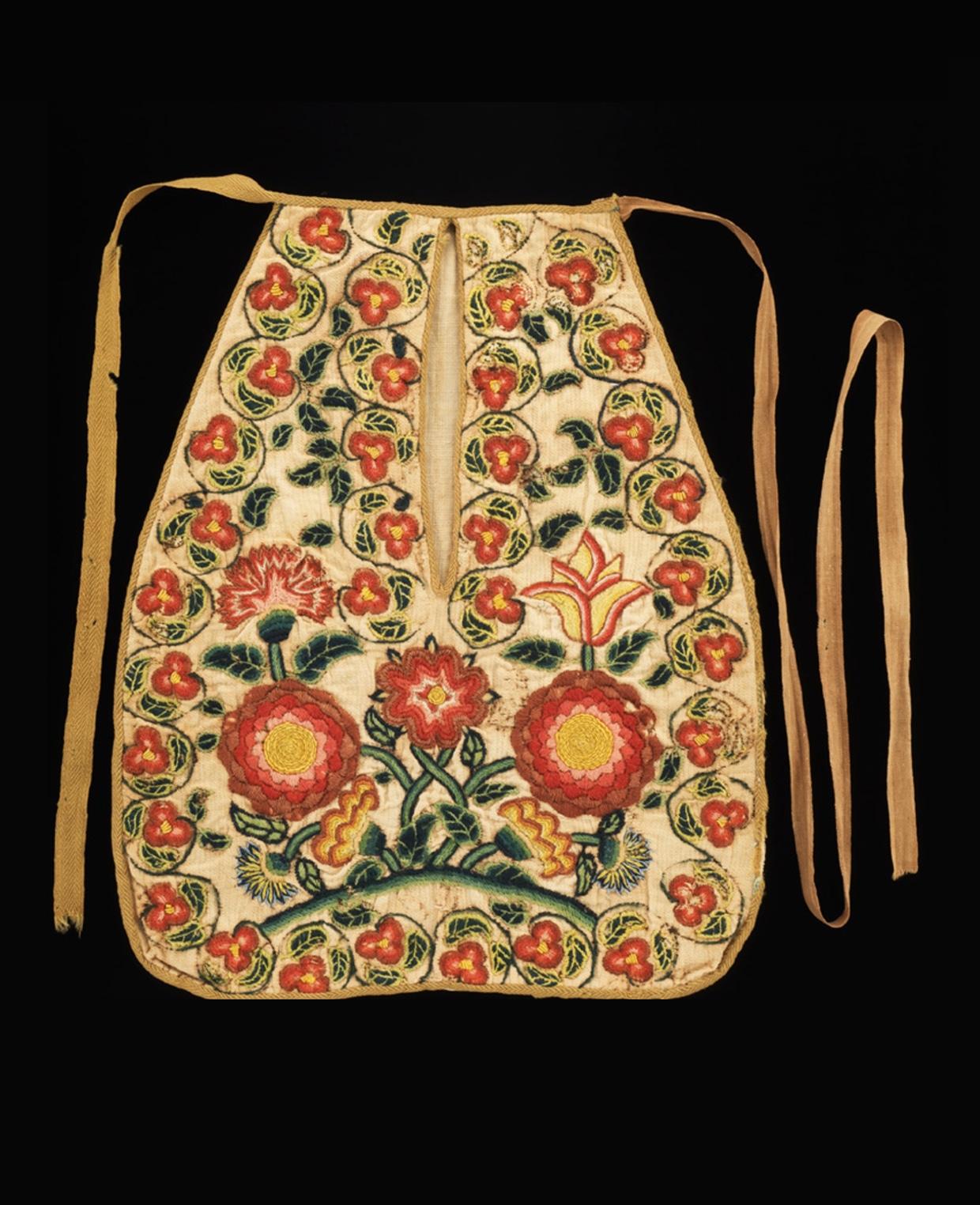
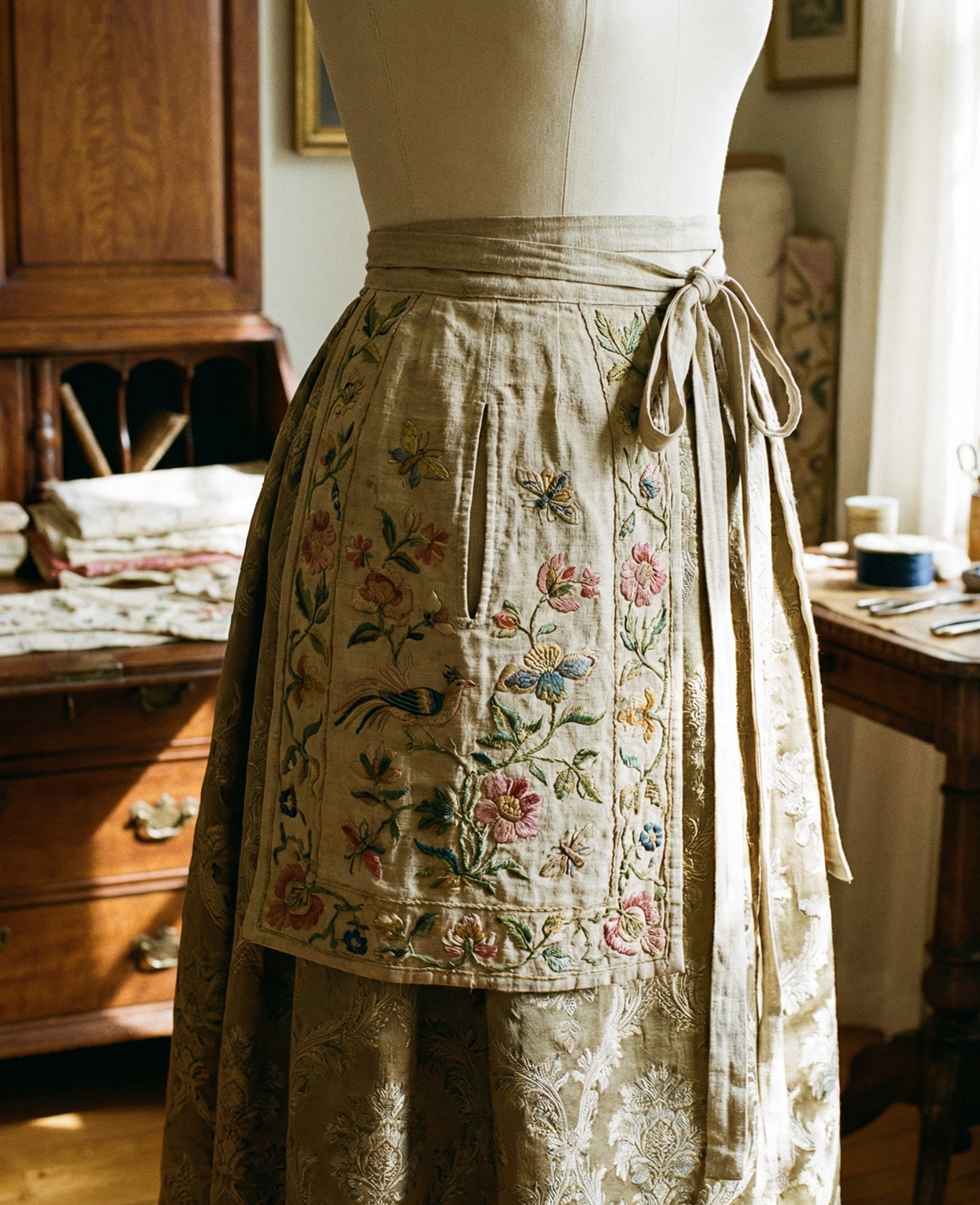
So yes, this is a current problem. But it also has a long history. From the 17th century onward in Europe, many women wore tie-on pockets under their skirts. These pockets were practical and often beautifully embroidered, but usually hidden and detachable. Meanwhile, men’s clothing increasingly featured pockets sewn directly into coats, waistcoats, and breeches.
Women had pockets too, but they were designed differently. That design difference mattered then, and it matters now. Integrated pockets signal expected mobility. Detachable pockets suggest conditional access and freedom.
When function became political
As silhouettes narrowed in the 19th century, practical carrying space in womenswear shrank. Smaller handbags and decorative solutions became more common. This was never only a style question, it was also a question of readiness: who was expected to move through public space prepared, hands-free, and self-reliant?
Women pushed back. In dress reform and suffrage movements, function became political. If women were expected to travel, organise, work, and campaign, clothing had to support that reality. The pocket was no longer mere convenience; it was a tool of agency.
The same tension appeared in fashion media. Fashion historian Hannah Carlson writes that Diana Vreeland pushed pocket-focused ideas at Harper's Bazaar, but she also notes the resistance within a media system heavily reliant on handbag advertising.
Why do many women's clothes still have small or non-functional pockets?
Part of the answer is economic: when clothing doesn’t carry essentials well, bags become necessary, and the handbag market remains strong.
Part of the answer is production: deep, durable pockets require extra fabric, reinforcement, and fit testing. In cost-driven mass production, those details are often cut first.
And part of the answer is cultural: womenswear has long been shaped around appearance, while menswear has centered utility. Christian Dior's well-known 1954 remark, that men have pockets to keep things in and women for decoration, still reflects a mindset fashion is only slowly unlearning.
- Brooklyn Museum Costume Collection at The Metropolitan Museum of Art, Gift of the Brooklyn Museum, 2009; Bequest of Marie Bernice Bitzer, by exchange, 1996
What you carry changes how you move
So what do we do with this history now? We reclaim the pocket. Reclaiming the pocket means reclaiming freedom of movement. For centuries, women were expected to carry essentials outside the body, in bags, in hands, or not at all.
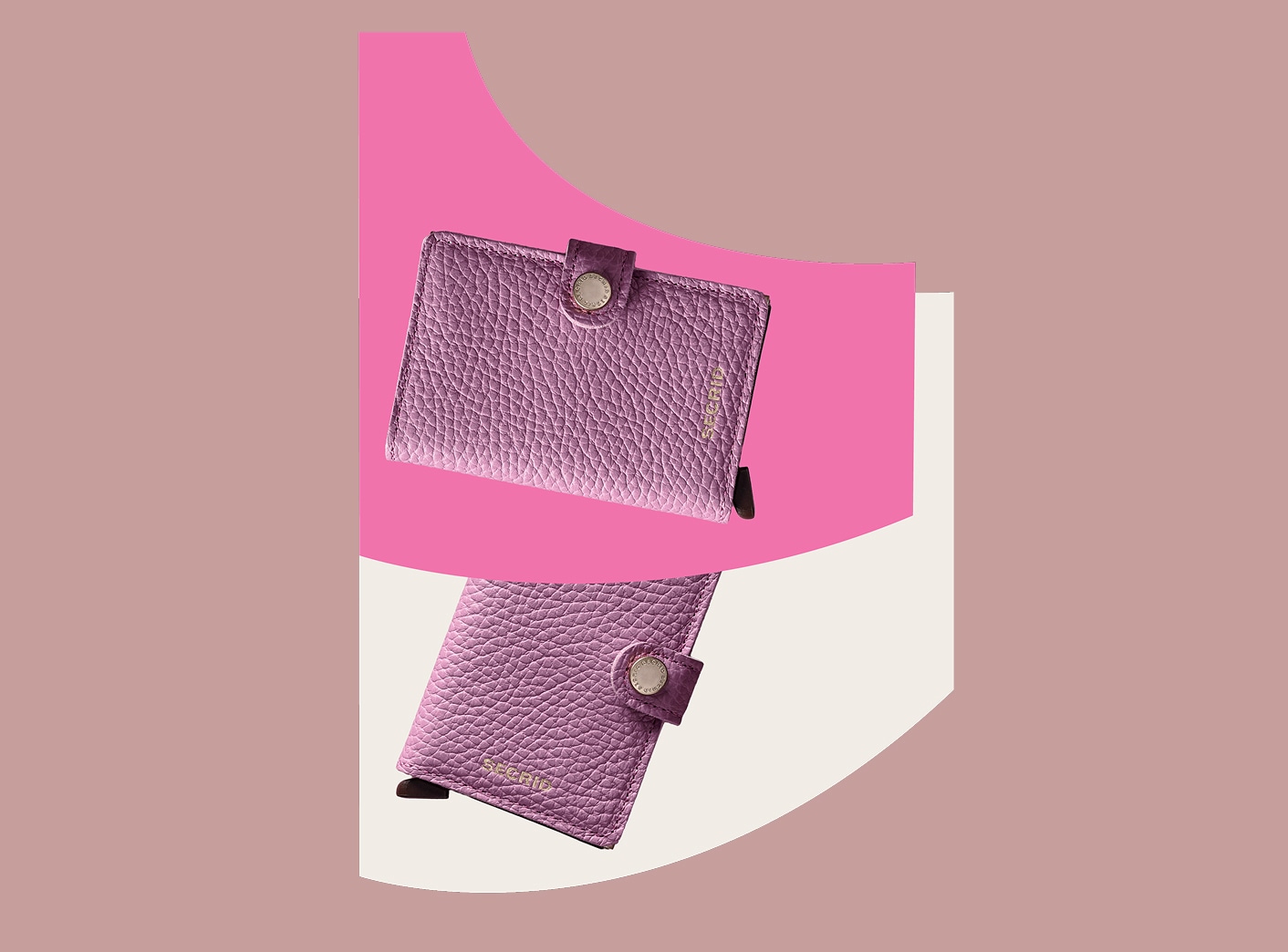
Today, that space can be taken back in two ways: by designing better pockets and by creating tools that fit the ones we already have. Pocketwear turns everyday objects into companions you can carry close, securely, discreetly, and independently.
Because what you carry shapes how you move through the world.
This International Women's Day, we reclaim that space.
#YourPocketYourStory
Sources (for further reading)
V&A Museum, Women's tie-on pockets
The Pudding (2018), Women's Pockets are Inferior
The New Yorker (2023), The Stealthy Power of Pockets
Harper's Bazaar, Diana Vreeland profile
Hannah Carlson book record (library catalog)
Burman & Fennetaux book record (Smithsonian Libraries)
Barbara Burman & Ariane Fennetaux’s book record (library catalog)