sumo
baby
Itika of Dungse on access, plurality, and why pocketwear should feel like part of your body.
“When I lose something, it’s like grieving a part of myself,” Itika told us.
“Either you replace it, or you accept that it’s gone. Because the things I carry aren’t just objects. They’re extensions of me.”
When does an object stop being ‘just an object’ and become part of you?
When does an object stop being ‘just an object’ and become part of you?
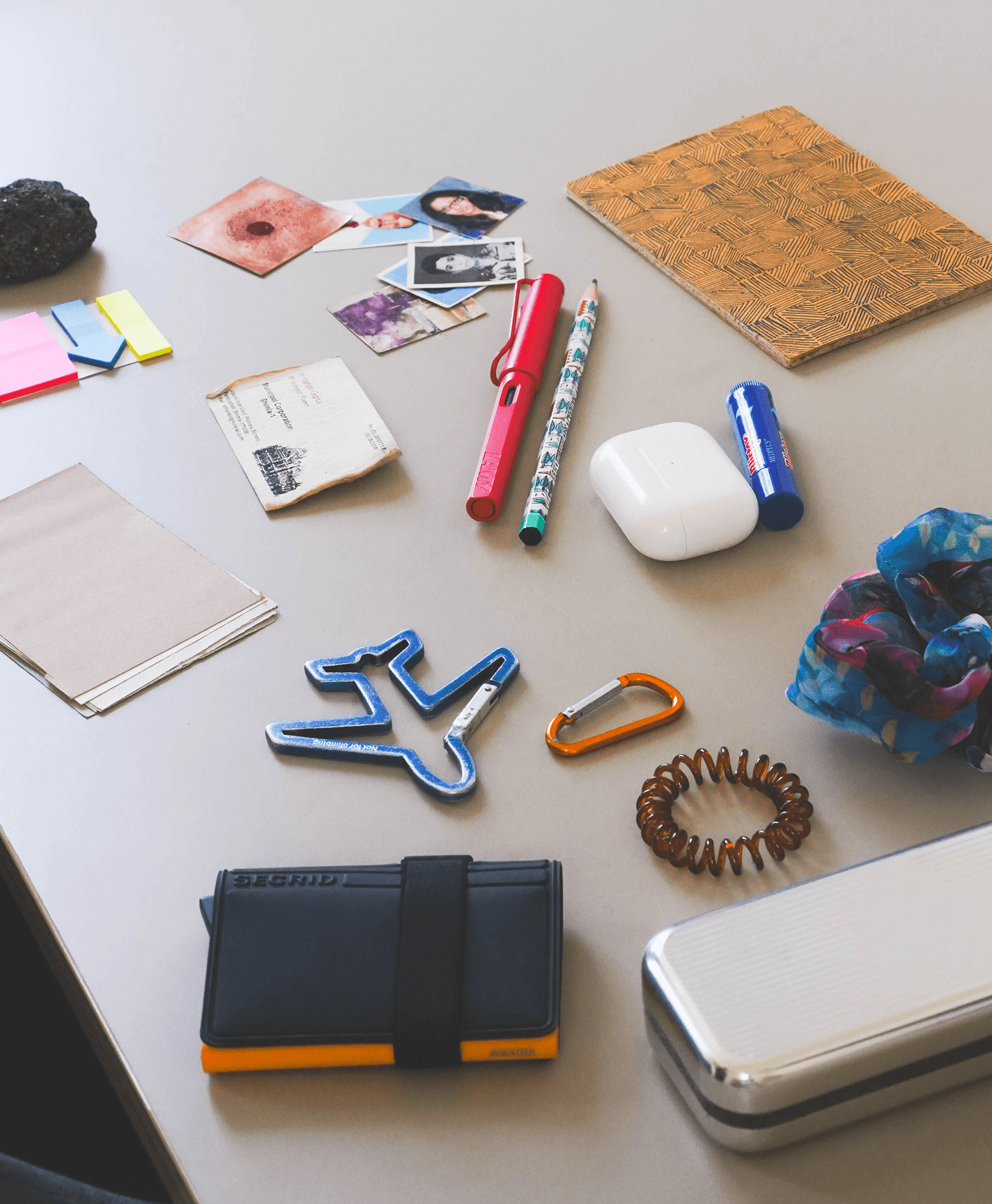
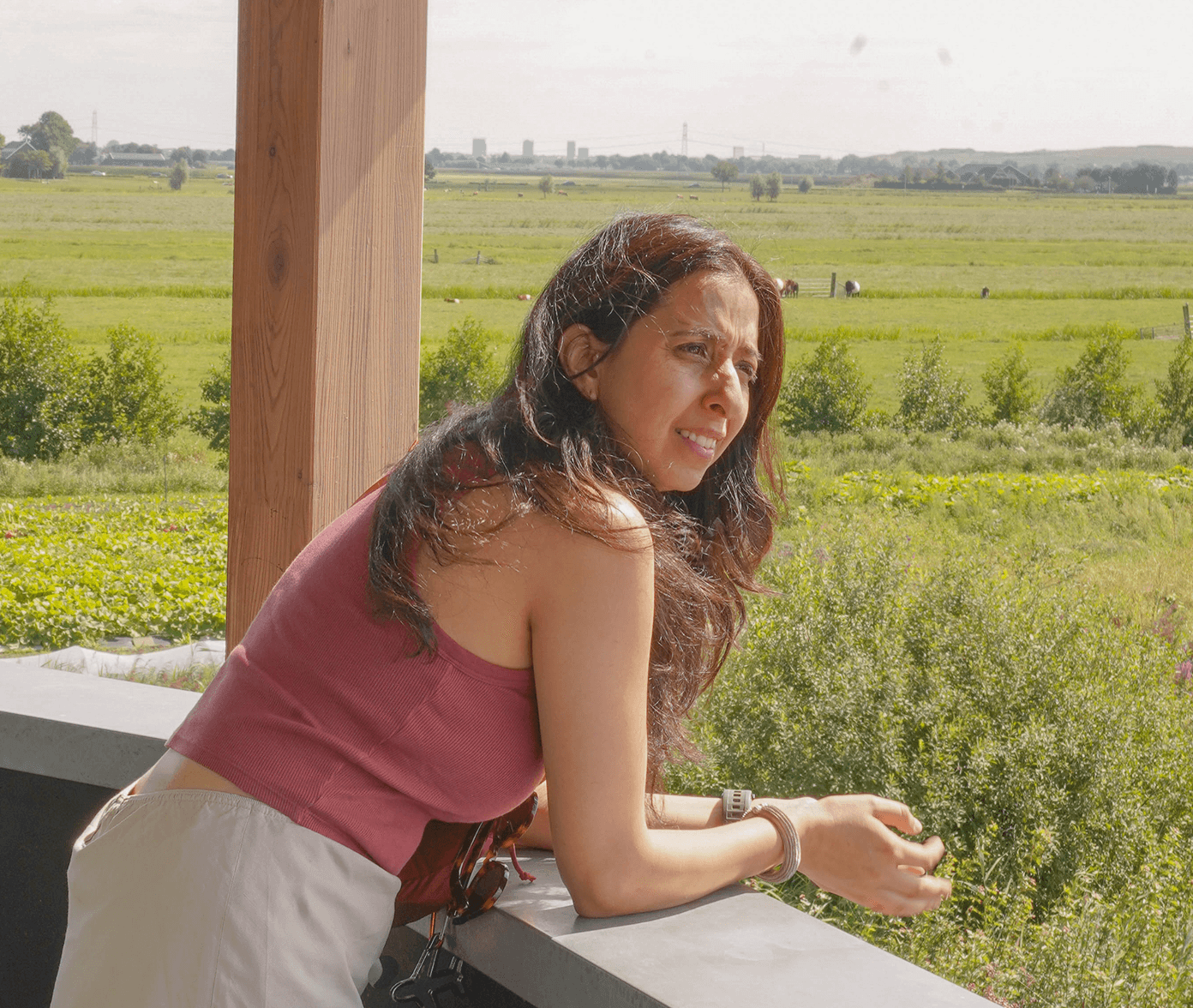
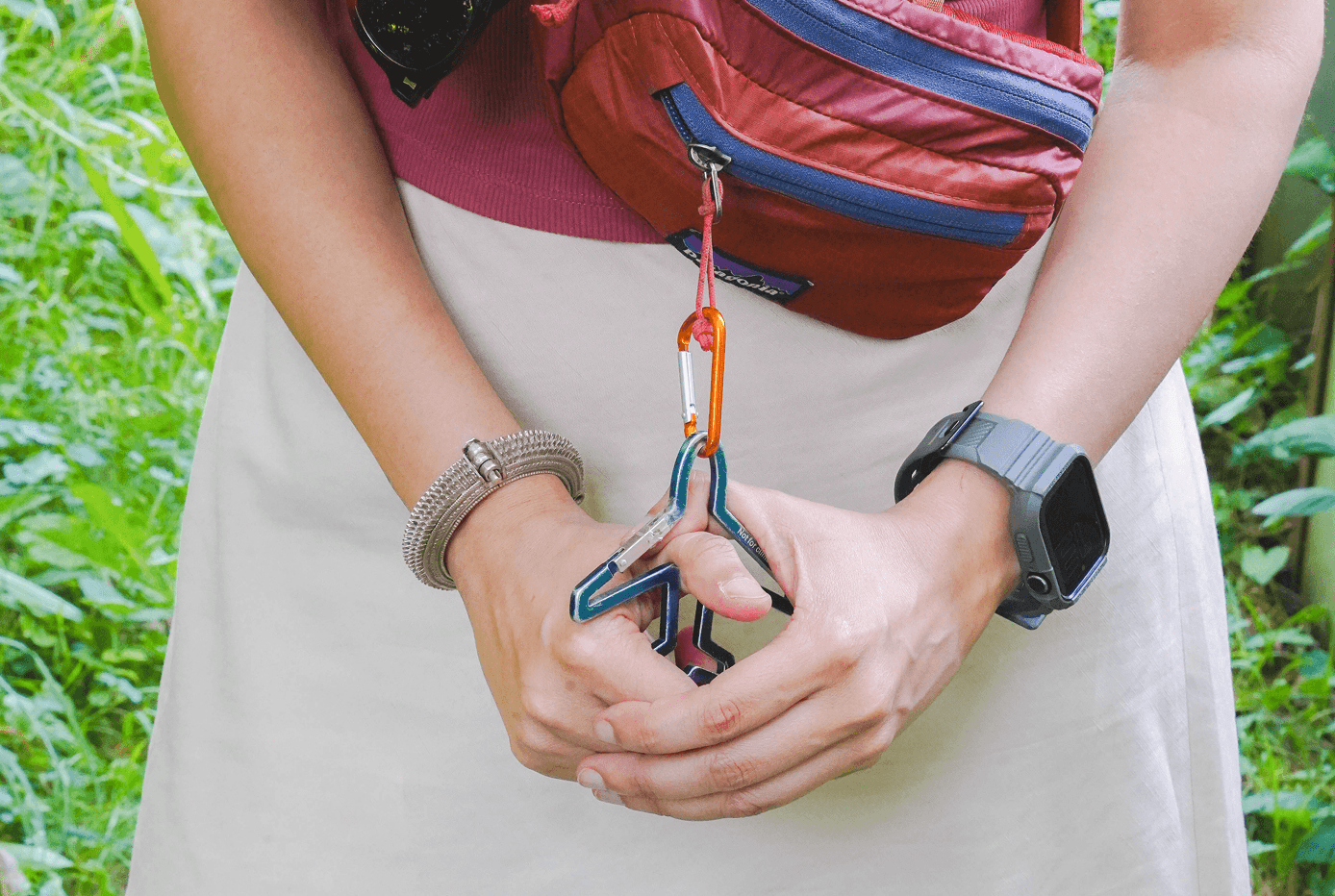
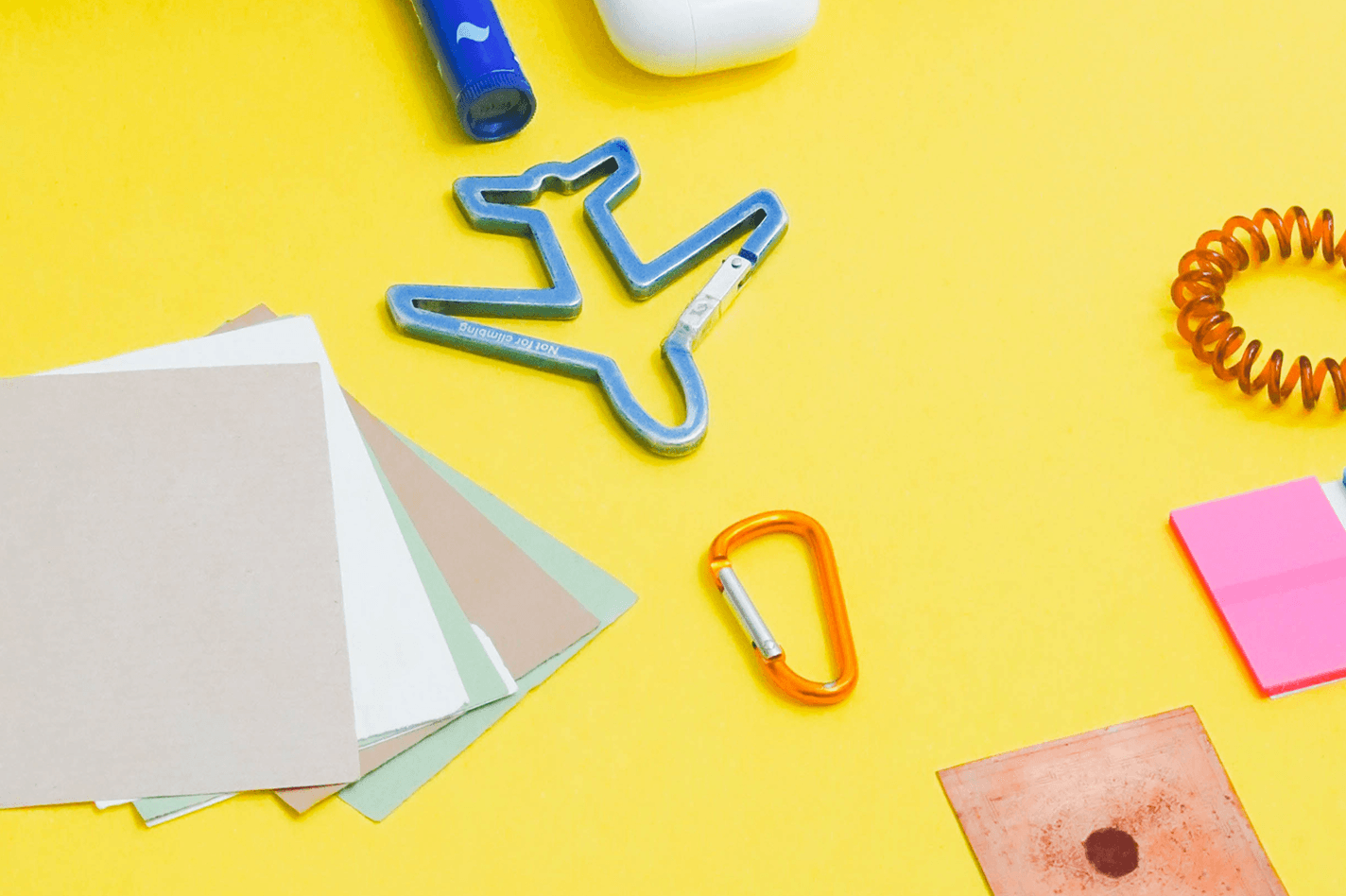
When we met Itika, her fanny pack sat close to her body, worn like second skin. Inside: a pen, always ready to capture transient ideas before they slip away. A wallet and keys, practical anchors of movement. Screenshots on her phone, digital echoes of inspiration. And tucked among them, something quieter: a small copper plate marked with a red dot - a ritual object from her mother. “It’s a reminder,” she explained, “of energy, of belief. When I stop believing in myself, it helps me remember that someone else does.”
Her father’s visiting card is another talisman, chosen paper and texture that once filled him with pride. She carries it still, as a reminder of care and attention to detail. These are more than utilities; they are intimate companions, protective in their own way.
These aren’t random personal quirks. They’re evidence of how pocketwear operates in emotional and ritualistic dimensions that product design often ignores.
What’s the one thing you panic about if you leave the house without it?
Itika moves fast and curiosity has always been her rhythm. Her brain documents fast. If an idea arrives and the pen is not there, it slips away. That urgency explains her decade-long loyalty to the fanny pack.
“As a kid, I lost everything. Umbrellas, bottles, toys. I realized I needed things on me, not in my hands, because I’d forget. A pouch close to the body became the only way.”.
It began as a tiny sling for a phone, then grew to hold cards, cash, and tools. She learned a trick in Morocco: wear it discreetly, swing it forward only when needed. Close to the body. Present, but quiet.
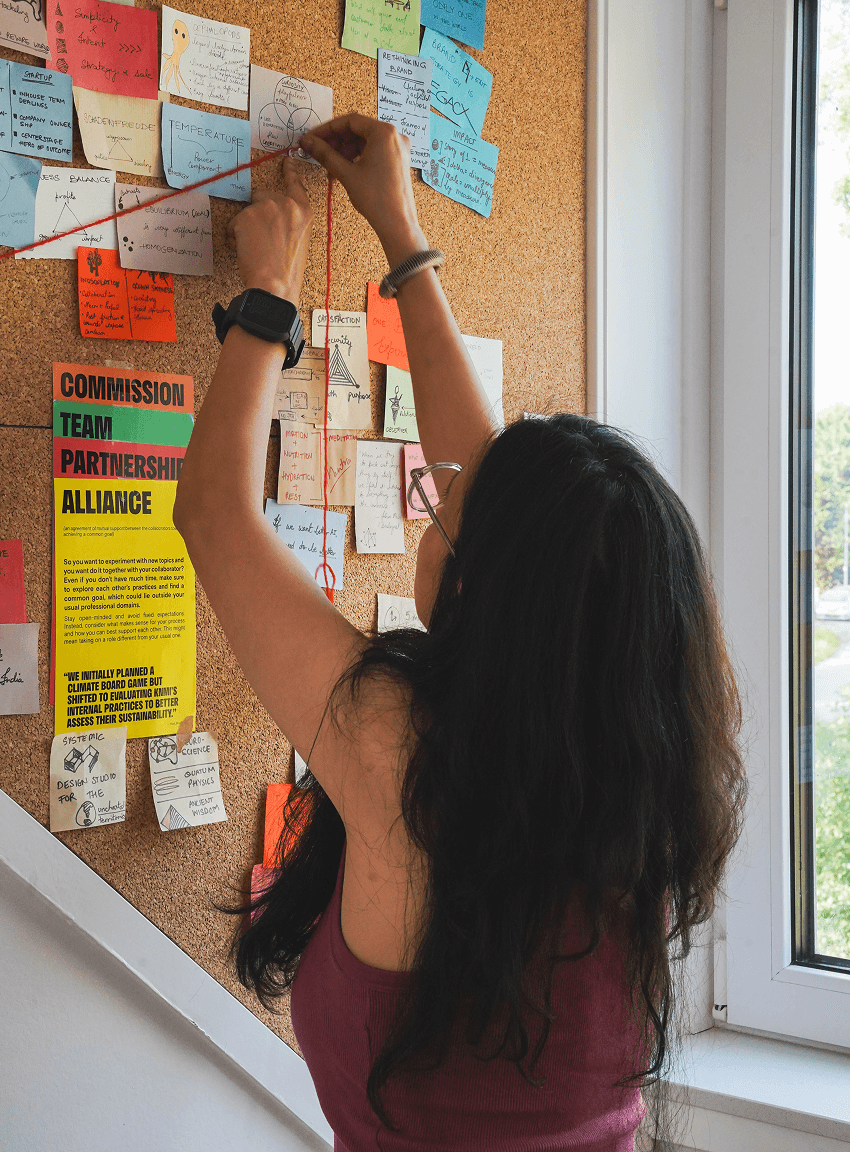
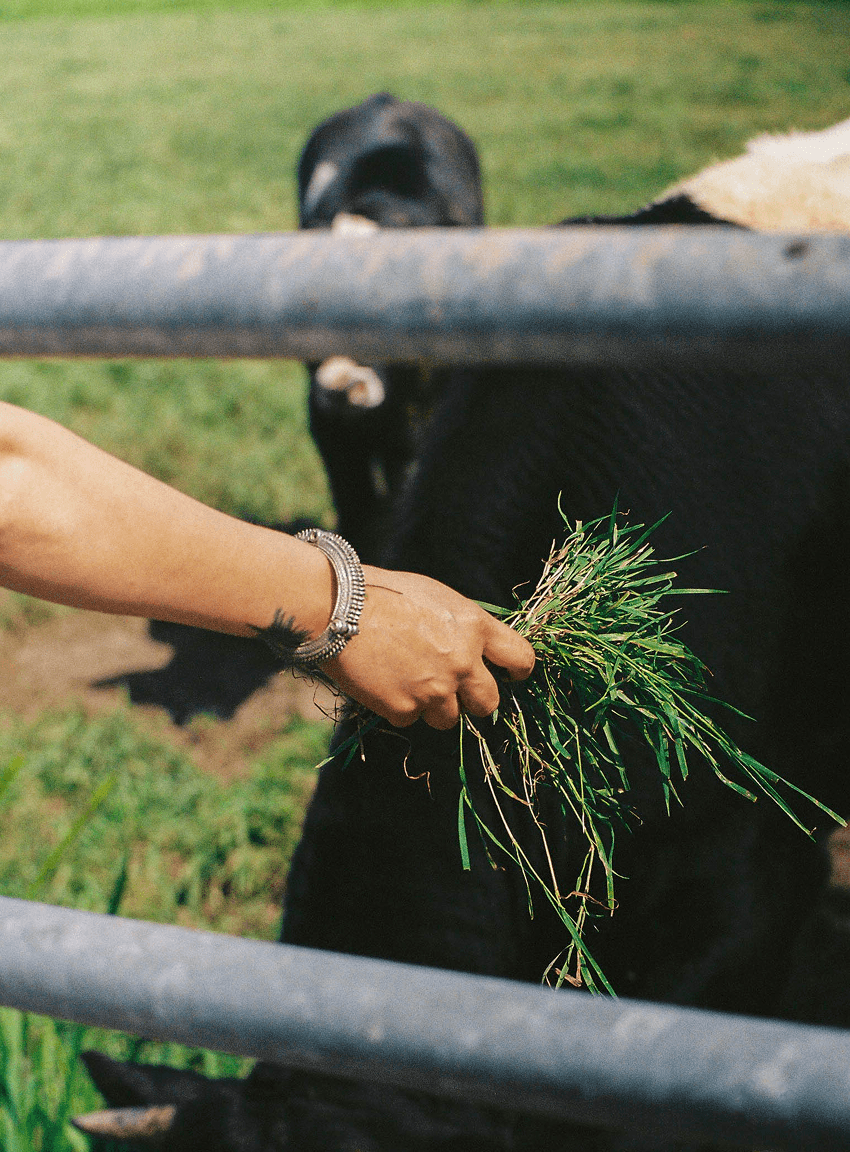
When I lose something, it’s like grieving a part of myself,
Plurality over ‘perfection’
Itika has spent years working with systems - ecological, designed, broken. From composting innovations in Indian cities to decentralized agriculture in Dutch farmland, she understands how objects exist within larger webs of meaning. So when we asked her to reflect on pocketwear, she didn't just think about bags and pouches. She thought about entire systems of carrying.
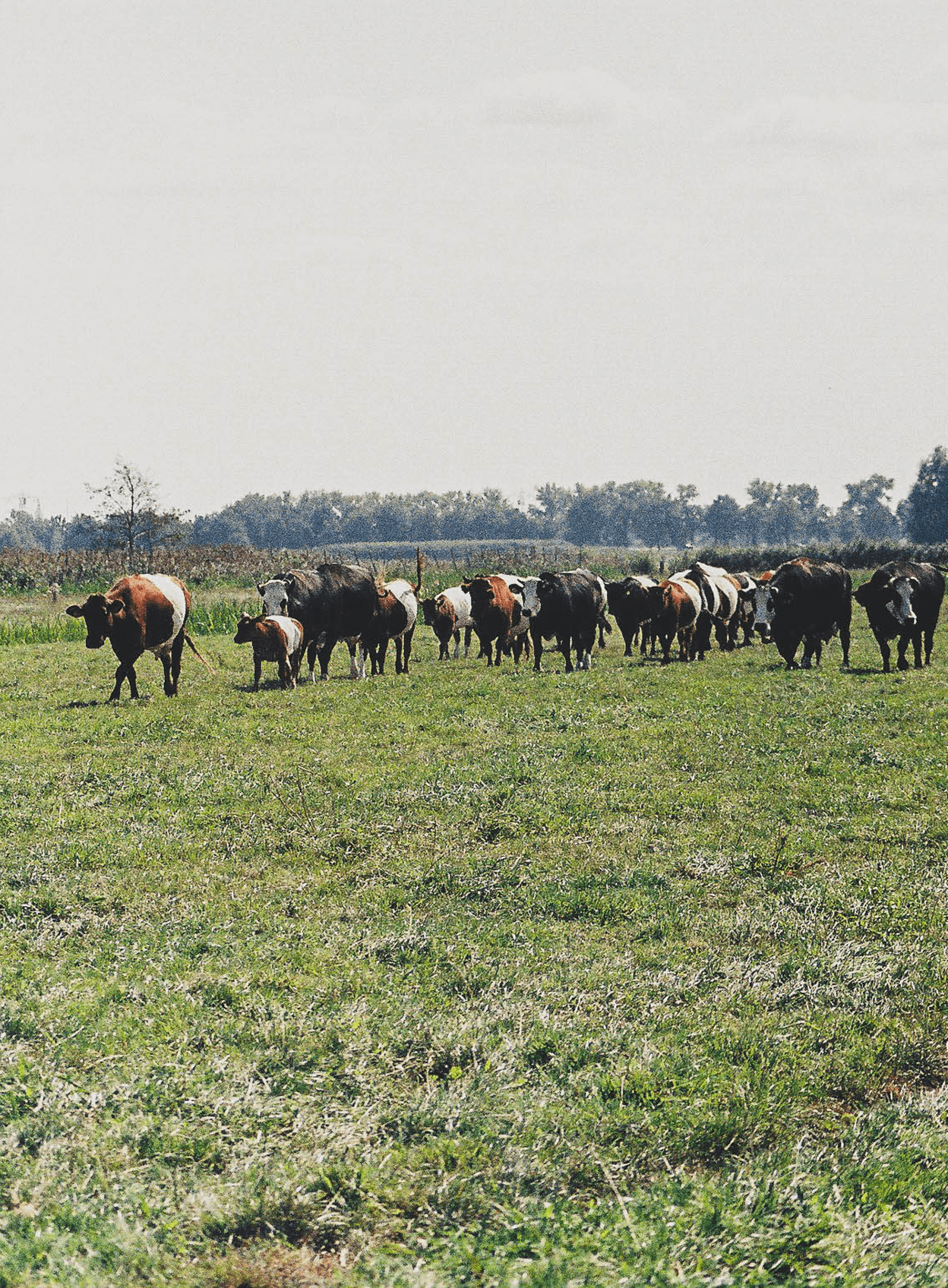
Dungse, the lab she co-founded, transforms surplus cow dung into composites that can replace plastic, wood, even concrete. For many in the Himalayan region, cow dung is not waste but life-giving: fuel, fertilizer, medicine, even ritual purifier. “In my household, it was a very obvious material to use, but also a very pious material.”, “I grew up with it everywhere, on floors, in fields, in ceremonies,” she said. “We always knew it was multipurpose. That’s the spirit behind Dungse too: taking something overlooked and letting it become many things.”
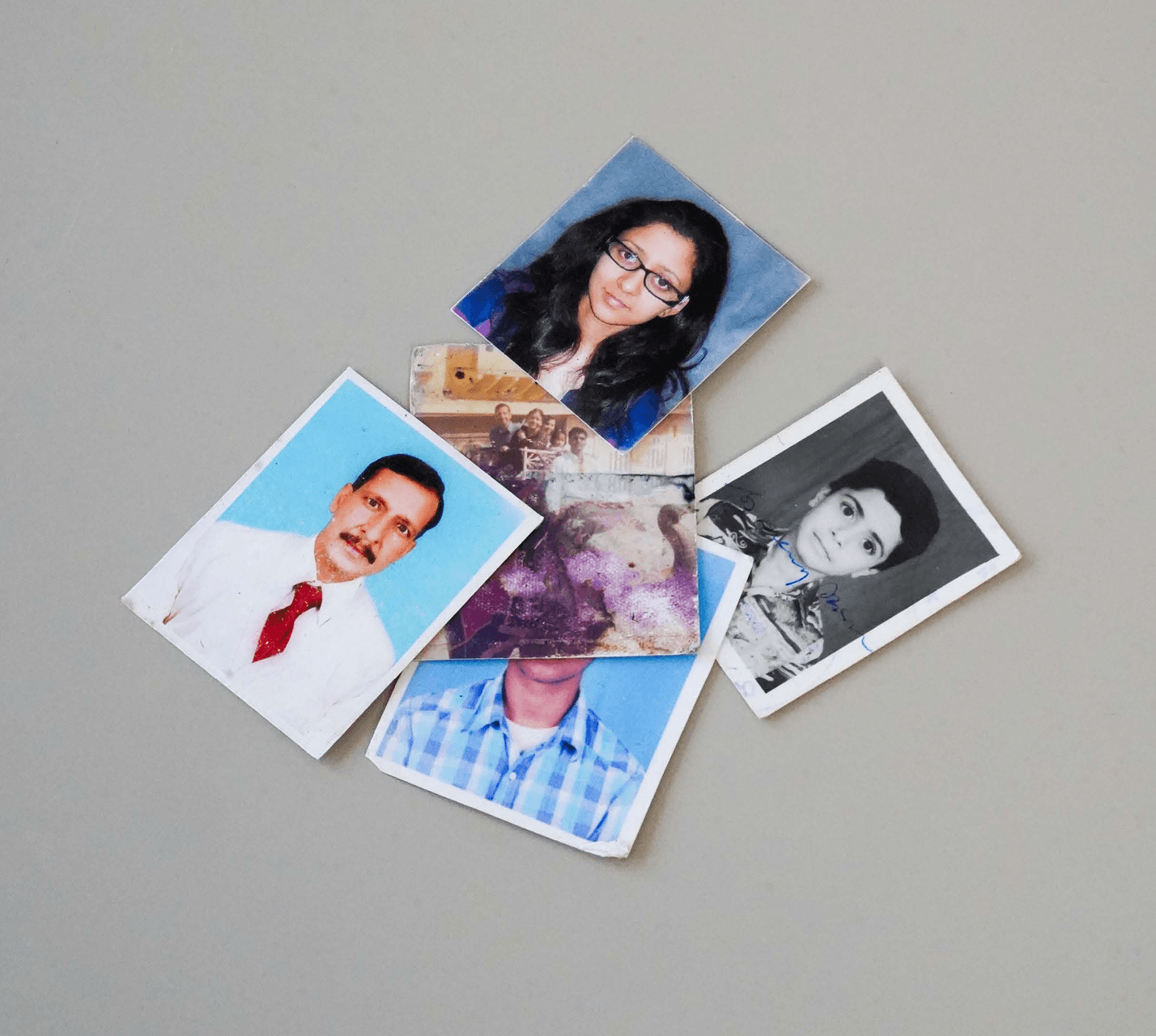
If dung can become structured, what humble everyday material deserves a second life?
In the mountains where she grew up, she saw people improvise carrying systems everywhere: a basket with a string became an over shoulder bag, the same basket flipped could cover the fruit you carried home.
This isn't nostalgia for a simpler time. It's a design philosophy that questions why we've replaced adaptable, repairable, locally made carrying objects with overengineered, single-purpose.
We often call that “low tech.” Itika calls it intelligent. Her question flips the script. How far can you strip a form, then let people find ten uses you did not plan?
If dung can become structured, what humble everyday material deserves a second life?
The politics of absence
When she first heard the word pocketwear, she laughed. “It’s ironic. Most women’s clothes don’t even have pockets.” As a teenager, she dressed in men’s clothes: metal-band t-shirts and cargo trousers. “I suddenly had six pockets. I could carry everything. Then I went back to women’s clothes and thought: why am I being denied this? It felt like control. Like the world was saying: you don’t need to be ready. Someone else will carry it for you.”
Itika's critique of modern pocketwear runs deeper than functionality. As a child, she witnessed women solving this issue first-hand: money slipped into a blouse, coins knotted into a sari, keys hidden in jewelry. Every gesture was both practical and protective. Women had always carried what mattered. For her, pocketwear is about reclaiming readiness.
Design for being, not vanity
Her advice for designers imagining the future of pocketwear? Don’t design for vanity. Design for being. Make objects so close to the body, so natural, that they become invisible until needed. And make them plural: a pouch that can be a sling, a bed, a hammock. A strap that shifts with the season or the outfit. A pocket that isn’t just sewn into clothing, but into ritual, memory, even identity.
She compares it to kolam: the rice-flour drawings women make outside homes in South India. “They look decorative, but they’re also logic puzzles, mobility training, food for insects. One ritual, many roles. Imagine if our objects of carry worked that way - beautiful, functional, ecological, personal.”
What would change if we designed pockets as rituals instead of storage?

Either you replace it, or you accept that it’s gone. Because the things I carry aren’t just objects. They’re extensions of me.
Back to the body
Where tactility offers clarity, personalization offers connection. For Boey, a pocket is more than a container. It’s a personal stage. Practical, yes—but also emotional. It’s close to the body, often hidden, and filled with small objects that carry meaning—tools, memories, habits. “There’s always a story in the pocket,” he said.
What do we choose to carry, and why?
What do those objects say about who we are, or who we want to be?
At the end of our conversation, Itika laughed about her fanny pack: frayed, waterproof, patched with stories. She jokes she’d redesign it in a heartbeat. Make it sturdier, stop it from spilling, give the zipper a mind of its own. Yet she still carries it. Because sometimes the imperfect things that stay closest to us are also the ones that endure.
Designing pockets is designing trust. Trust that needs are valid. Trust that bodies deserve ease and readiness. The history of pockets shows who has been trusted and who has not. The future is simpler. Make fewer things. Make them better. Let people make them theirs. And if they also help us carry a little faith, even better.