EFFICIENCY IN YOUR POCKET, MOSS ON THE WALL
Auke of Respyre on readiness, durability, and what moss can teach us about time.
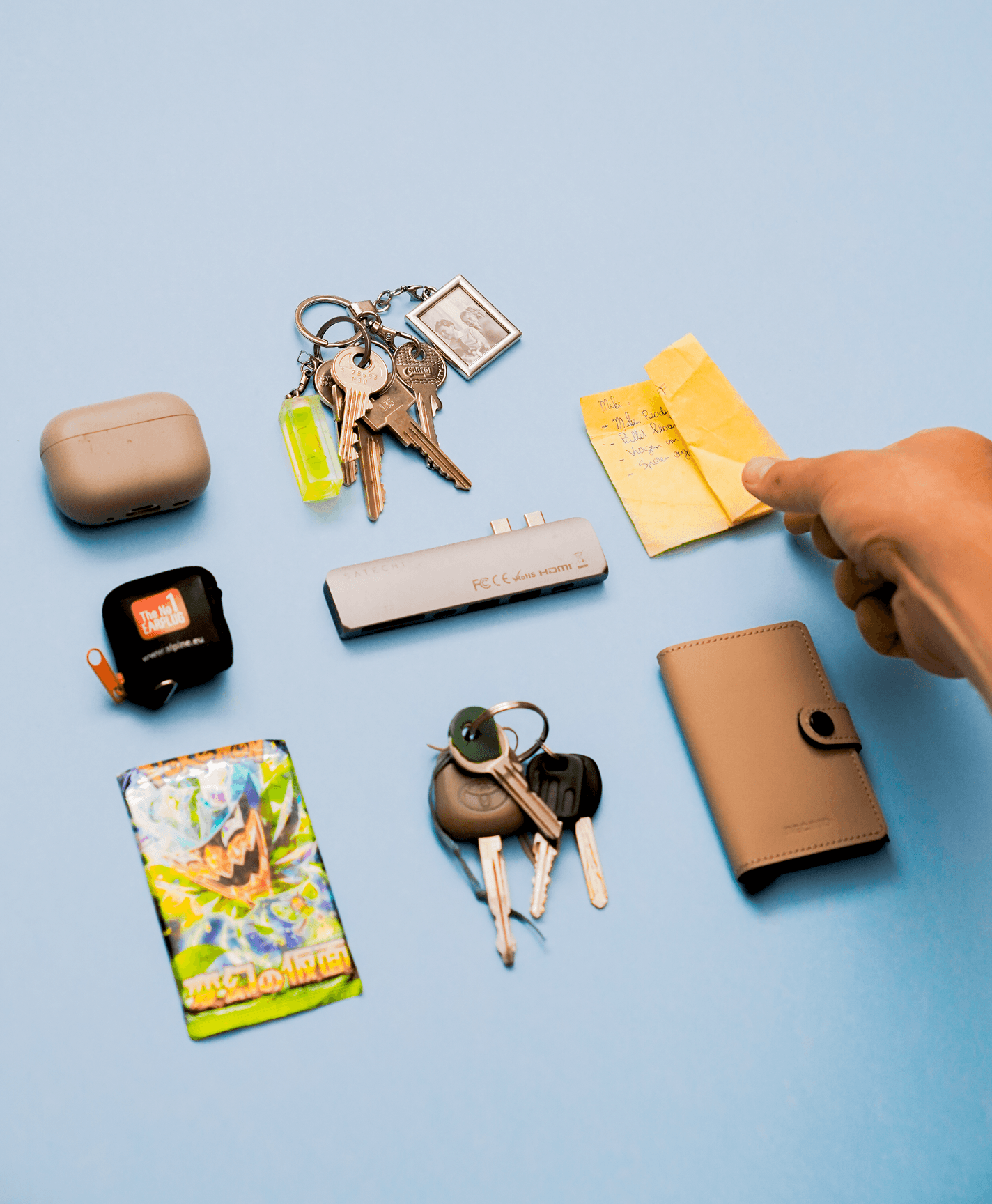
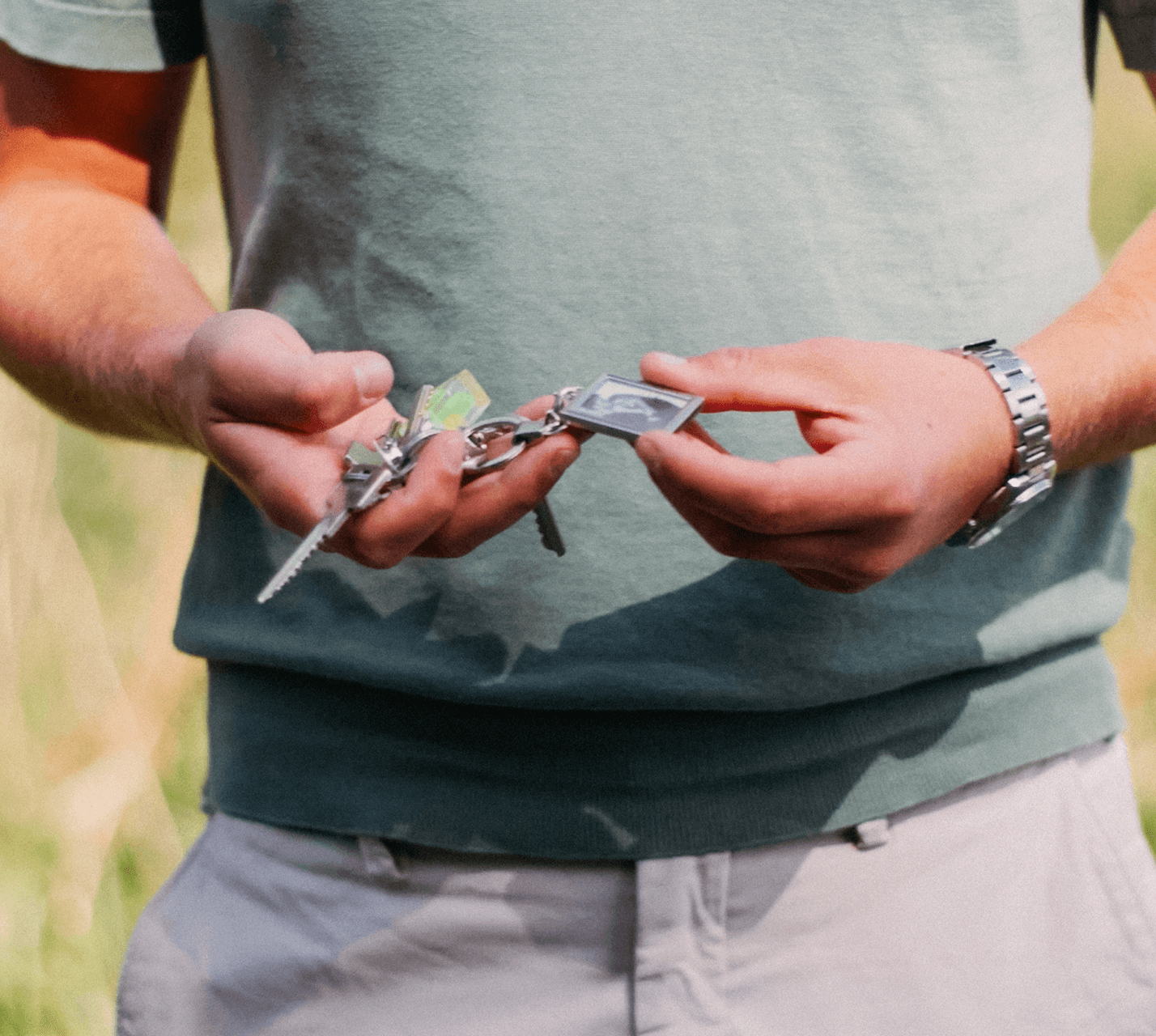
When we meet Auke in Leiden, his pockets are nearly empty. Two sets of keys, a pair of AirPods, earplugs. Neat, minimal. “I hate full pockets,” he says. “It ruins your trousers, makes them bulge. Better to keep it light.” But look a little closer and the story expands.
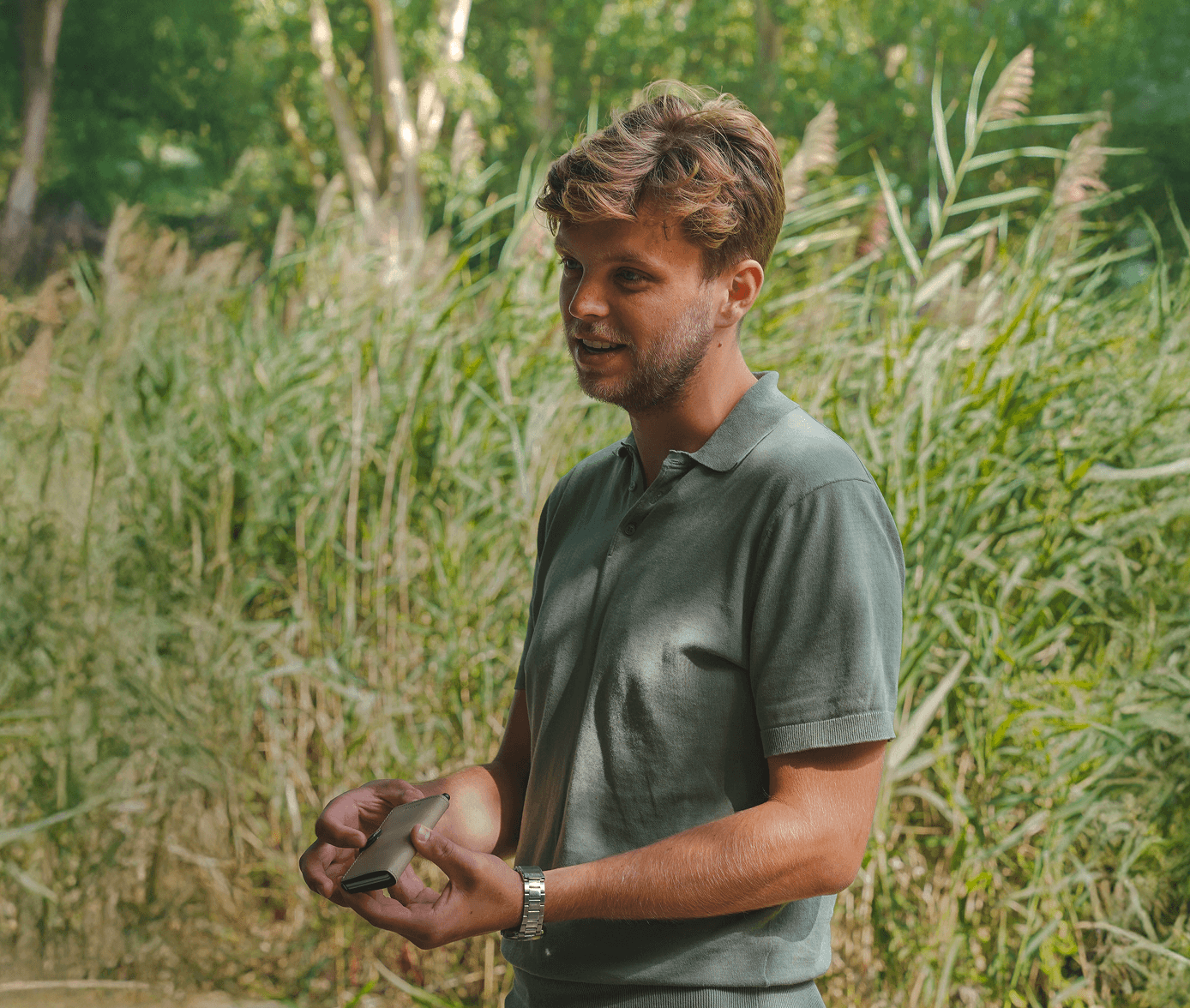
What does carrying light say about the way you live?
Where does everything else go? Into his backpack: a laptop that never leaves his side. Strategy books carried even up mountain trails. Wooden spoons for on-the-go yogurt. A favorite perfume, a daily ritual of stability. And a wallet overflowing with business cards, old receipts, and foreign notes - cards that keep possibilities alive, bills that preserve memories of travel. “Most of it I’ll probably never need again,” he admits. “But I can’t throw it away. The cards are options. The notes are reminders. I like keeping possibilities with me.”
And then, tucked quietly into a pocket, a surprise: a small set of Pokémon cards. A gift from a friend, a playful fragment of childhood that lingers close.
What do you reach for when you need to show you belong?
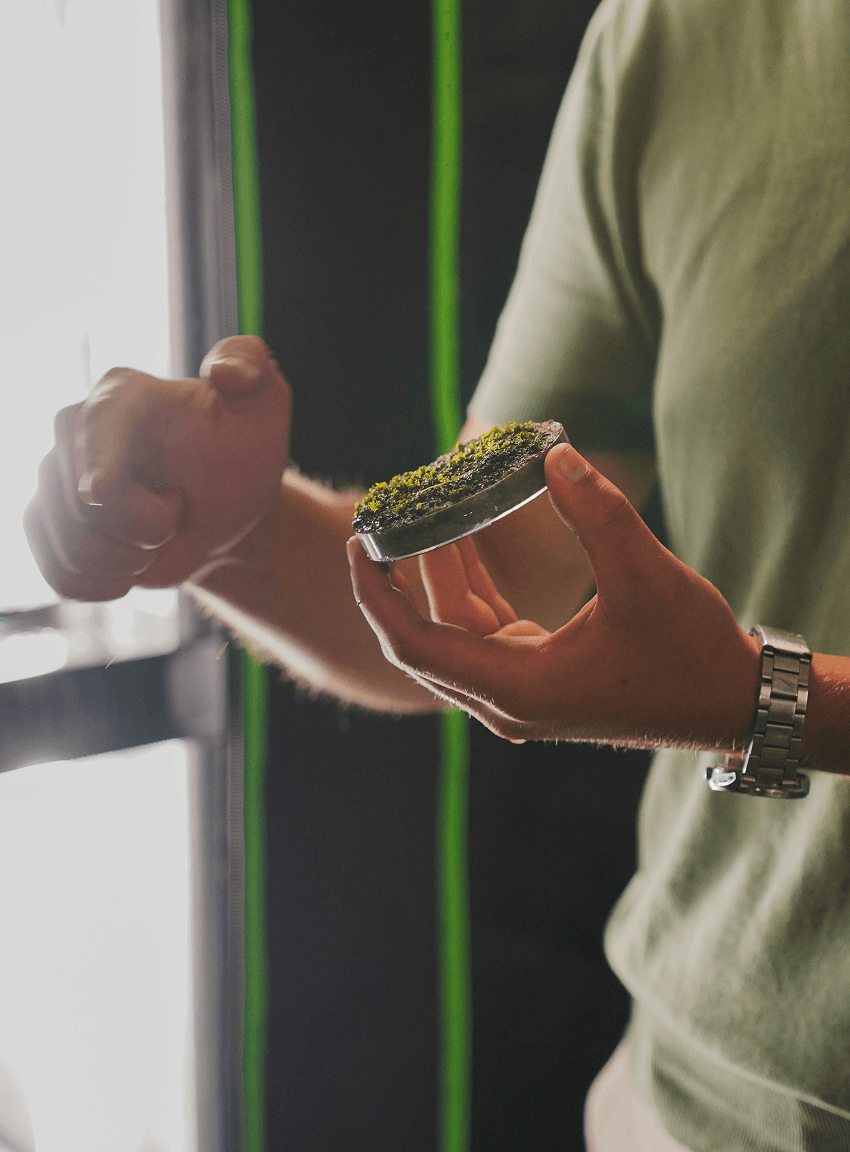
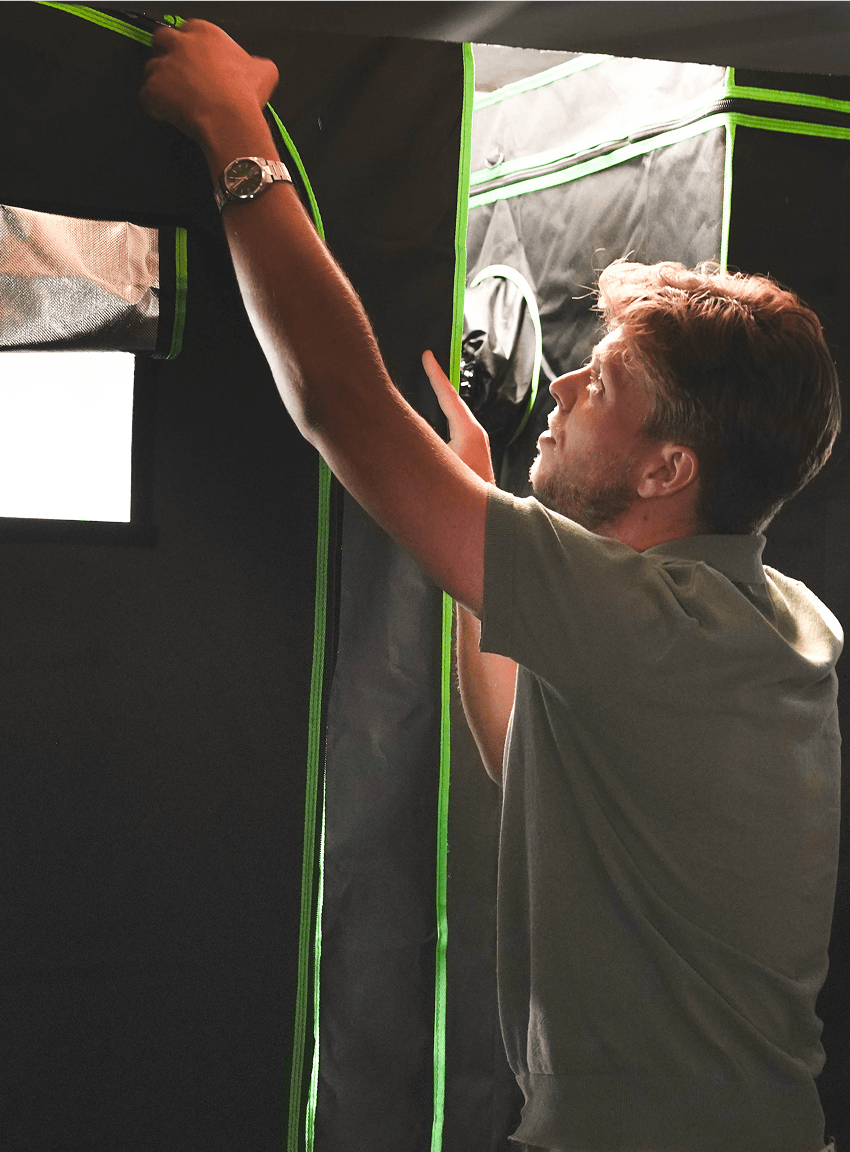
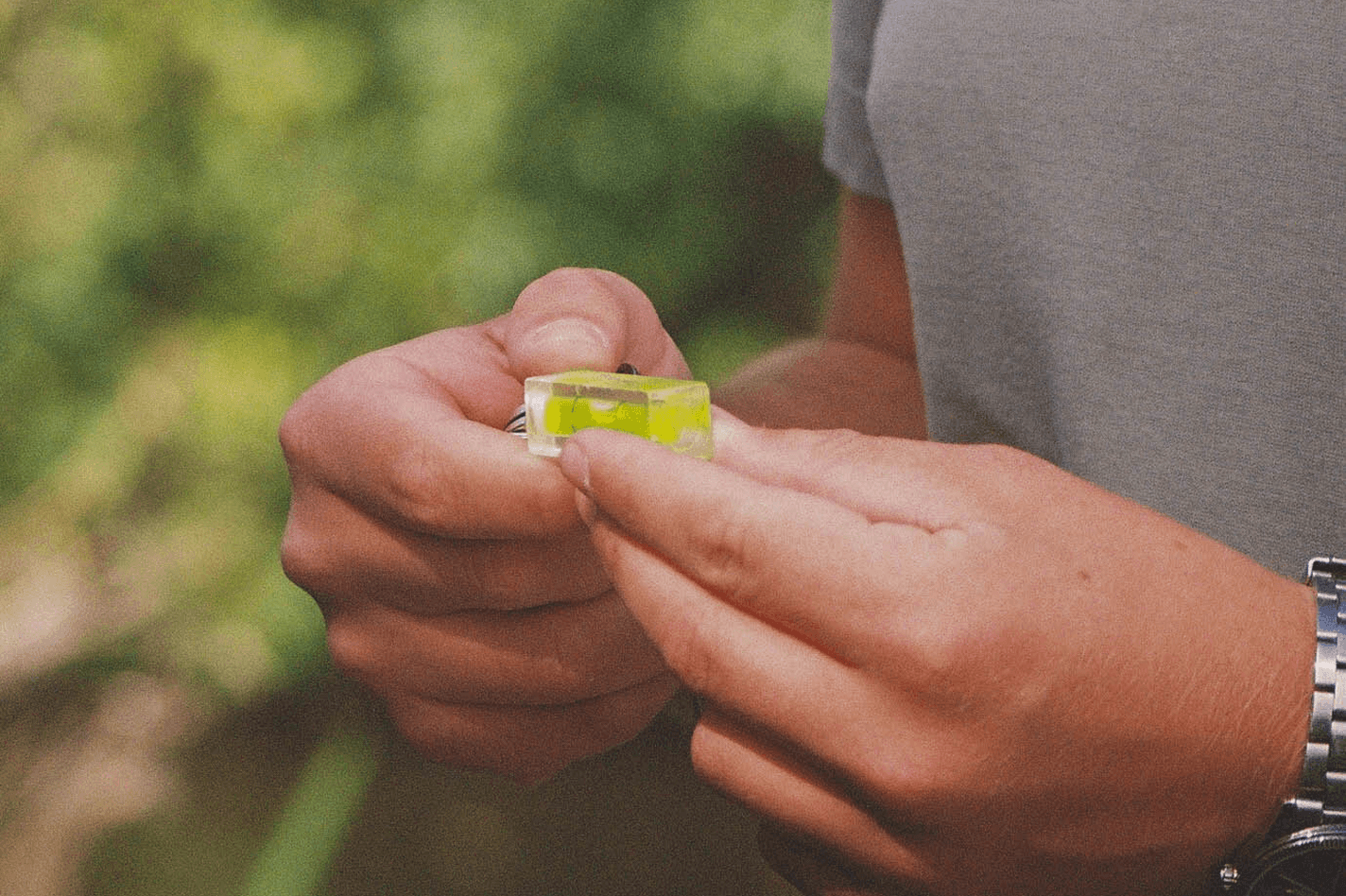
That instinct - practical, but also about belonging - runs through his work as founder of Respyre, the company coating buildings with living moss. His days shift between lab benches, pitches to investors, and construction sites. Even a small pocket object, like the keychain level he carries, carries meaning. “On a building site, it’s not just about checking if something’s straight. It says: I’m prepared. I speak your language.”
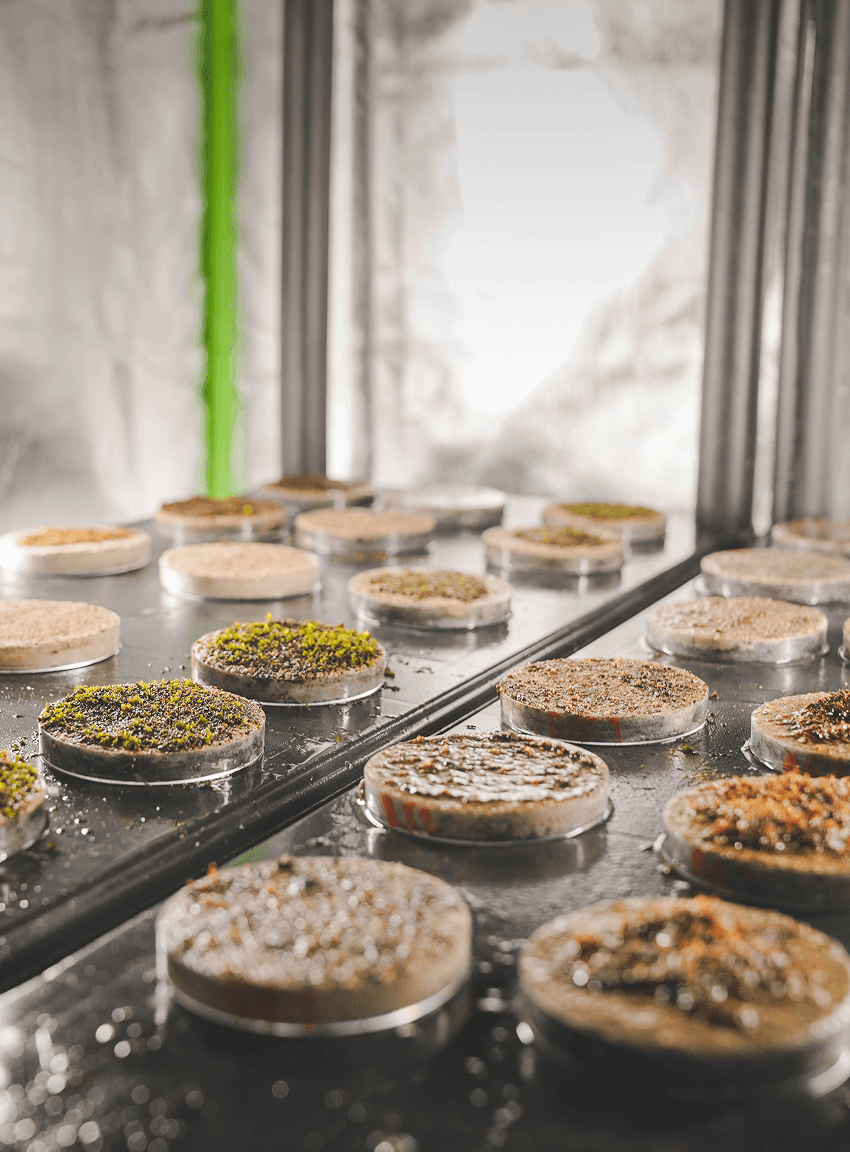
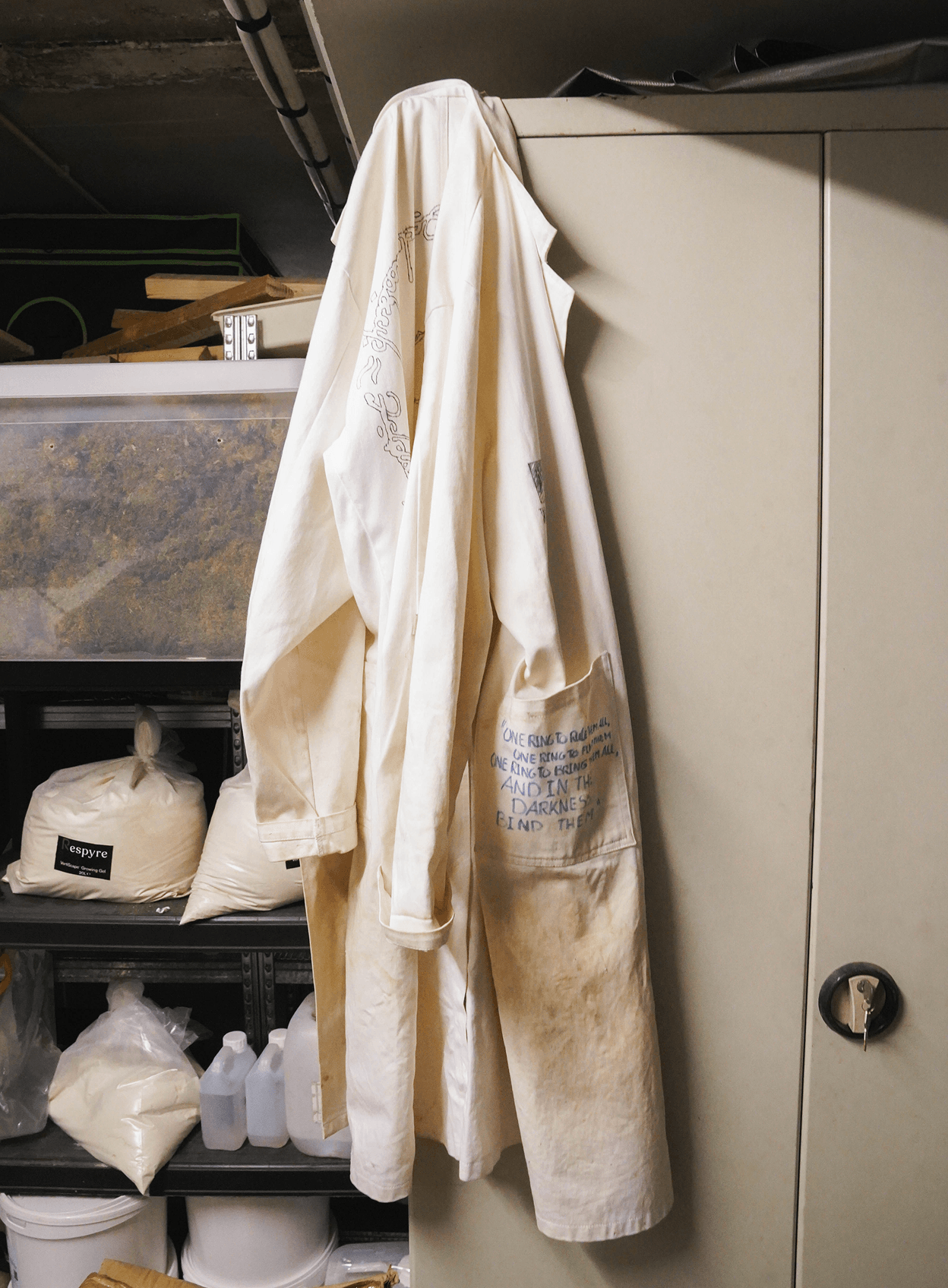
Respyre’s moss works the same way. It doesn’t ask for spectacle like a green wall. It quietly integrates into concrete, cooling buildings, filtering air, capturing carbon. It’s green without a gardener. Quiet, self-sufficient, and persistent. Something you can trust to do its work, even when you’re not watching.
I like keeping possibilities with me
Durability, in moss and in memory
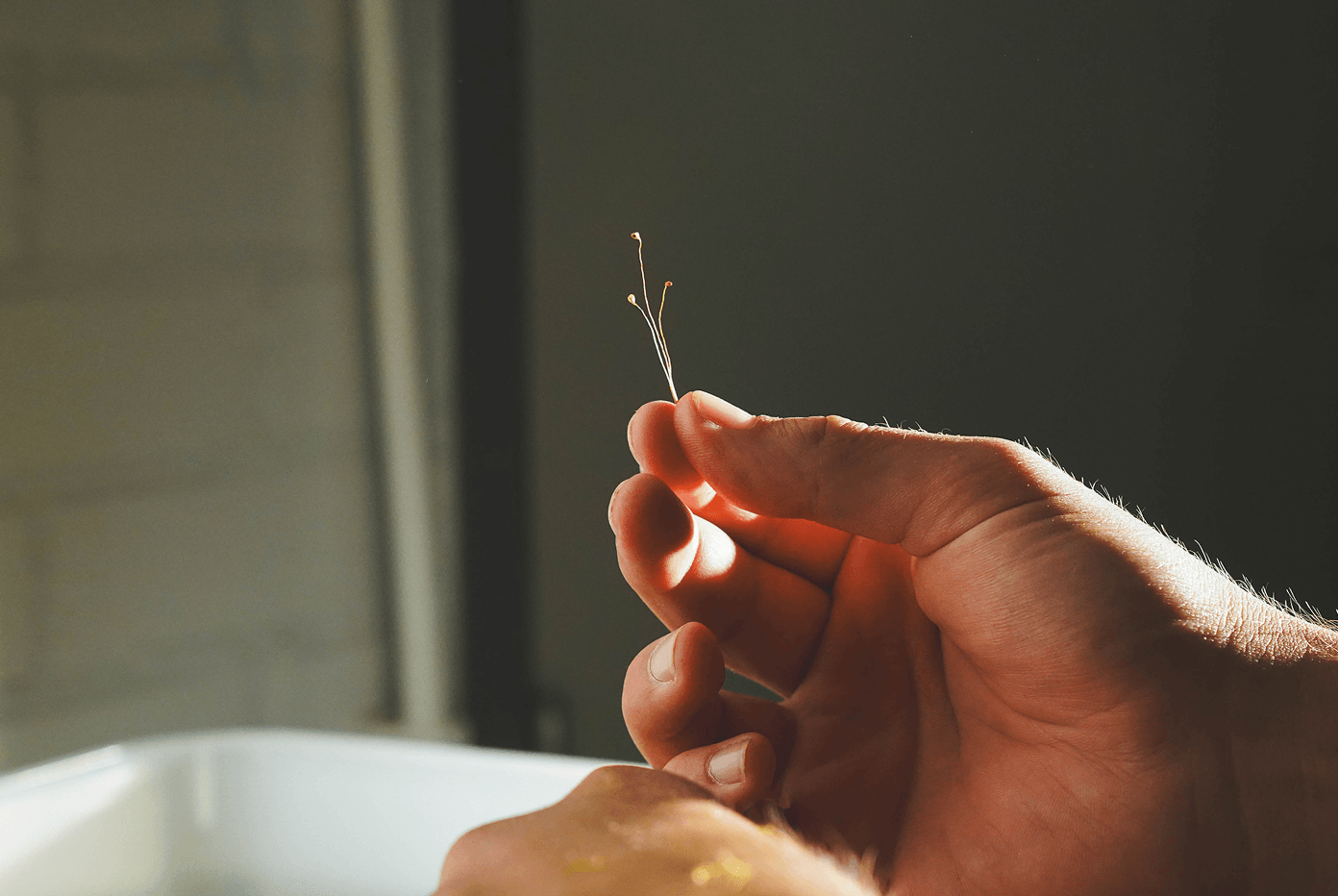
What fascinates Auke about moss is its duality. It can dry out for years and revive in a day,or die suddenly under conditions no one fully understands. “We struggle in the lab with fragile samples, and then I walk through a city and see moss just thriving in the cracks, like it’s mocking me. It’s humbling. They’ve been here for millennia - they don’t care about our timelines.”
That perspective shapes how he carries. His girlfriend Bo gave him a keychain he still keeps close. “It makes me happy just to see it on the table. It’s a signal of stability, of care. Even other people notice it starts conversations.” His wallet, messy as it is, functions the same way: a small archive of places, faces, and moments that resist being discarded.
Where does comfort hide in a pocket?
Despite his efficiency, Auke admits he envies people who carry sentimental things - a fluffy keychain, a trinket that offers comfort. “I think it’s really sweet. I’d like to have something like that too. But I don’t.” Auke doesn’t think of himself as sentimental, but his choices suggest otherwise. Earplugs protect him at both festivals and factory sites. Perfume offers consistency, a daily ritual of self-care. Podcasts - calm, practical, grounded - keep him company on long drives between pilot projects. These objects don’t just solve problems; they shape his rhythm. Small systems of care woven into the things he always keeps close.
What if mobility itself is a pocket?
Auke spends hours on the road. Two-hour drives to pilot sites, 40 minutes between office and home. Over time, the car has become another pocket: always holding a charger, AirPods, sometimes water, but never snacks. “I use driving to cut out snacking. At least for those hours, I won’t eat,” he says. It’s not just transit, but a container for podcasts, phone calls, and long stretches of thought. A moving pocket of discipline, focus, and care.
Designing for What Matters
Asked what he’d redesign, Auke doesn’t imagine futuristic gadgets. He dreams of a water bottle that’s easy to clean and impossible to forget. A notebook that saves and resets itself, sparing him the clutter of half-used pads. Or a tool that captures appointments while he drives so they don’t slip away. Not more things - better things. Tools that free headspace.
It’s the same design instinct guiding Respyre: fewer objects, made with thoughtfulness. Not overloaded, not showy - efficient, durable, and quietly useful.
They show what you care about, and what you’re willing to carry with you everywhere
So what does all this say about pockets?
Before Pocketwear, Auke admits he never thought much about pockets. Now, reflecting on them, he sees a mirror of his work with moss: readiness, resilience, memory, comfort. “They show what you care about, and what you’re willing to carry with you everywhere,” he says.
And maybe moss offers the truest reminder of all: “They don’t care about us. They’ll still be here in ten thousand years. That’s comforting, in a way.”
Maybe pockets are like that too. Not just storage, but small rooms where time, memory, and readiness live together.